
Uterine fibroid embolization reduces fibroid size by blocking their blood supply while preserving the uterus.
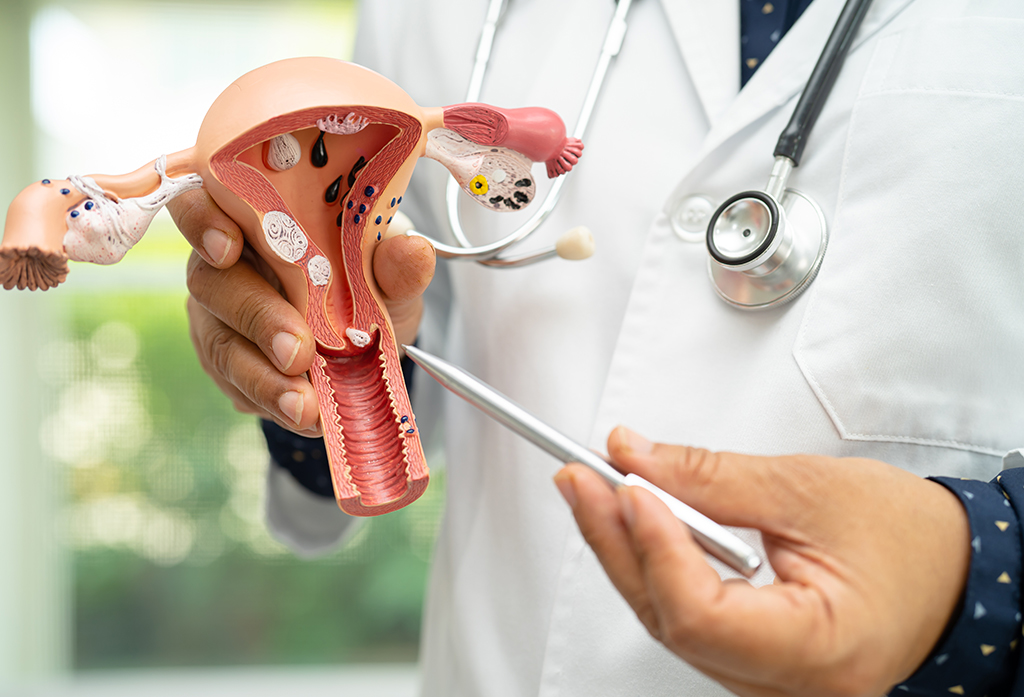
Uterine fibroid embolization is a minimally invasive procedure used to manage uterine fibroids without surgical removal. The procedure works by delivering embolic material into the blood vessels supplying the fibroids, which reduces their blood flow and causes them to shrink gradually over time.
By targeting only, the fibroids and not the uterus itself, UFE allows normal uterine tissue to remain intact. It is commonly considered by women seeking an alternative to open surgery or hysterectomy. Reduction in fibroid size occurs progressively over weeks to months, with symptom improvement following as the fibroids shrink.

Uterine Fibroid Embolization is a procedure that targets fibroids by reducing their blood supply. By selectively blocking the vessels feeding the fibroids, this approach leads to gradual shrinkage and symptom improvement. The procedure is performed under imaging guidance to ensure accuracy and safety. UFE focuses on preserving the uterus while addressing symptoms such as pressure, discomfort, or heavy bleeding. Over time, treated fibroids decrease in size, leading to reduced symptom impact. Follow-up imaging helps track progress and response. This treatment is often chosen by individuals seeking a uterus-preserving option that addresses fibroid-related concerns through targeted vascular intervention.
Imaging studies such as ultrasound or MRI are performed to assess the number, size, and location of fibroids and determine suitability for embolization.
A catheter is guided through blood vessels, and embolic material is released to selectively block blood flow to the fibroids.
Fibroids gradually reduce in size over time, with follow-up imaging used to monitor response and recovery.
For any unanswered questions, reach out to our support team via email. We’ll respond as soon as possible to assist you.