
Leg ulcer management focuses on addressing the underlying circulatory cause while supporting gradual wound healing.
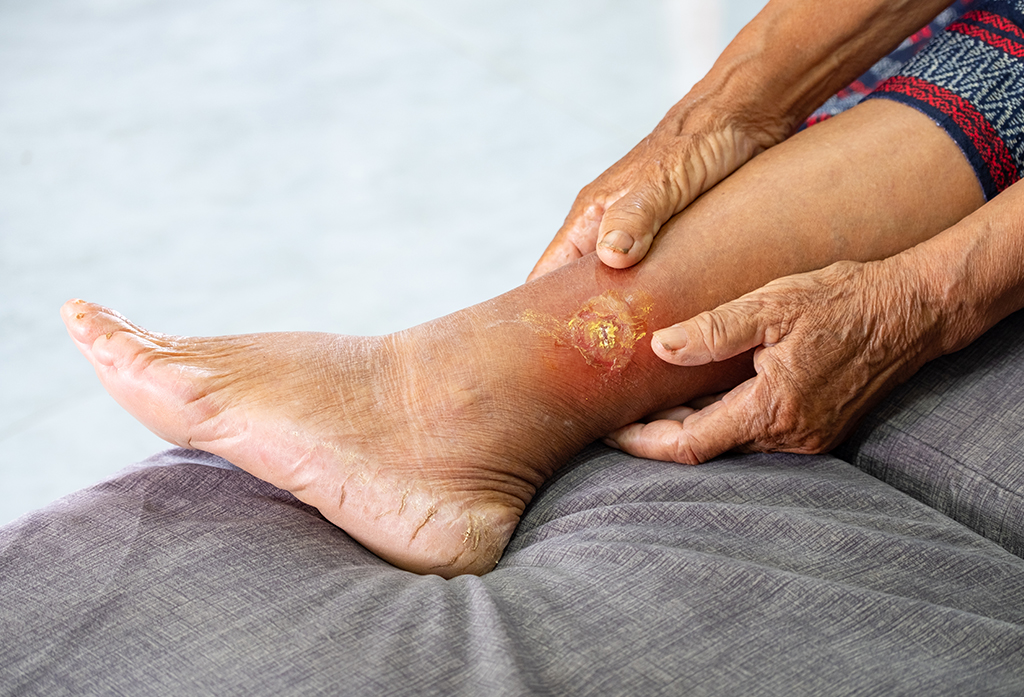
Leg ulcer management involves treating chronic, non-healing wounds that develop on the lower leg due to impaired blood circulation, most commonly related to venous disease. Rather than focusing only on the wound surface, management aims to correct the underlying circulation issue that prevents healing.
The approach typically combines circulation assessment, minimally invasive vein procedures when required, structured wound care, compression strategies, and ongoing monitoring. Addressing the root cause is essential to promote healing, reduce discomfort, and lower the likelihood of ulcer recurrence.
.png)
Leg Ulcer Management focuses on addressing wounds that develop due to prolonged circulation problems. These ulcers often require a structured approach that goes beyond surface wound care. Treatment plans involve identifying underlying vascular factors, improving blood flow, and supporting tissue healing. Ongoing monitoring plays a key role, as healing depends on both local wound management and correction of contributing circulation issues. Dressings, compression strategies, and supportive therapies are carefully selected based on ulcer characteristics and patient needs. Effective management aims to promote gradual healing, reduce recurrence, and restore skin integrity. A coordinated approach ensures that both the visible wound and the underlying cause are addressed, improving long-term outcomes and comfort.
Circulatory assessment and wound evaluation are performed to identify the cause, severity, and extent of the ulcer.
Vein-related procedures, wound care measures, and compression strategies are implemented together based on the underlying condition.
Regular monitoring and continued circulation management support healing and help prevent recurrence.
For any unanswered questions, reach out to our support team via email. We’ll respond as soon as possible to assist you.