Blog > Diagnosis and Treatment > Genicular Arterial Embolization
Genicular Artery Embolization
18-October-2025Category: Diagnosis and Treatment
Arthritis, particularly osteoarthritis of the knee, is a debilitating condition that affects
millions of individuals worldwide. Traditional treatments range from medication and physical
therapy to invasive surgeries like knee replacement. However, a promising, minimally invasive
procedure called Genicular Arterial Embolization (GAE) is emerging as an effective treatment
option for arthritis pain. In this blog, we will explore what GAE is, how it works, and discuss
its efficacy based on the latest research.
Get Your First Doppler Scan FREE — Worth ₹4,500!
What is Genicular Artery Embolization?
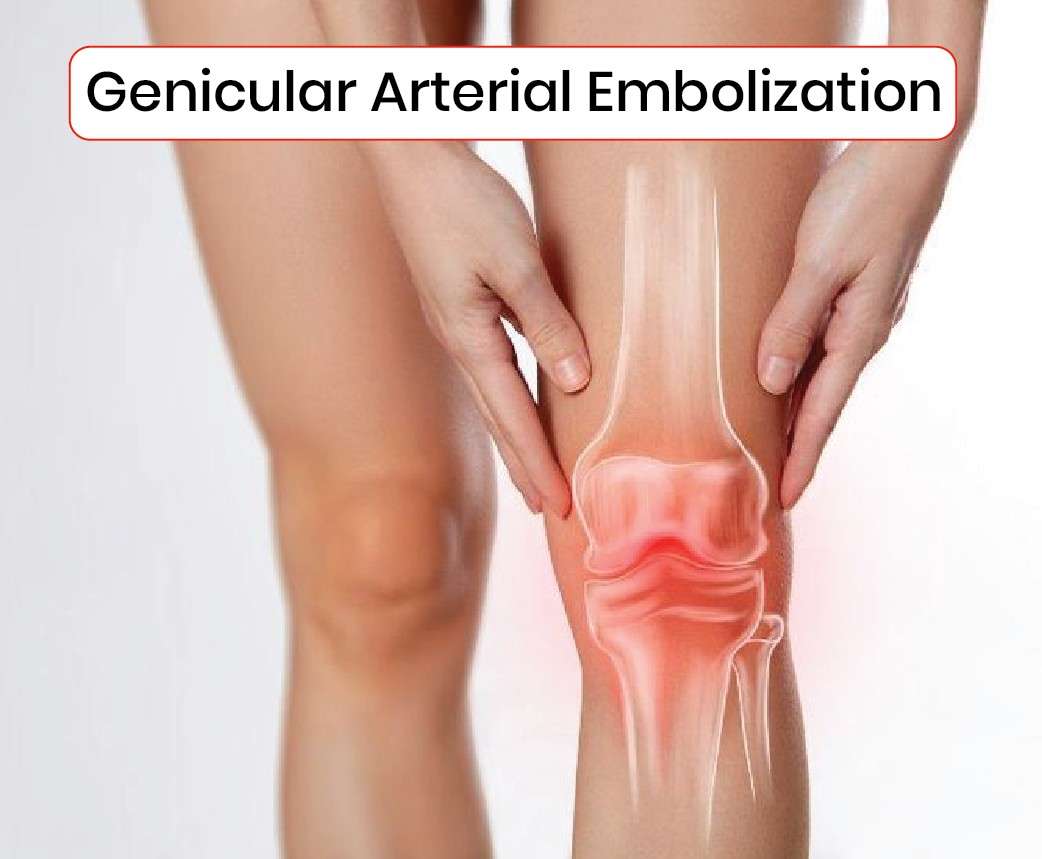
Genicular Arterial Embolization (GAE) is a minimally invasive procedure aimed at reducing pain
and inflammation in patients with knee osteoarthritis. The procedure targets the genicular
arteries, which are small blood vessels that supply blood to the knee joint. In patients with
arthritis, these arteries are often enlarged and inflamed, contributing to pain and
discomfort.
How Does GAE Work?
GAE involves the following steps: Catheter Insertion: A tiny catheter is inserted through a small incision,
usually in the groin
or wrist. Artery Navigation: Using imaging guidance, the catheter is navigated to the
genicular arteries. Embolic Agent Injection: Once in place, an embolic agent (small particles) is
injected through
the catheter into the genicular arteries. These particles block the blood flow to the inflamed
areas. Reduced Inflammation: By reducing blood flow, the procedure decreases
inflammation and pain in
the knee joint.
Confused about treatment options? Our experts will guide you step by step.
Efficacy of GAE: Latest Research Insights
Recent studies and clinical trials have shown promising results regarding the efficacy of GAE in
treating knee osteoarthritis: Reduction in Pain and Disability: A 2021 study published in Radiology
demonstrated that patients
who underwent GAE experienced significant reductions in pain and improvements in physical
function. The study reported that over 70% of participants saw a substantial decrease in pain
levels within six months of the procedure. Comparative Studies: Another study compared GAE with traditional treatments
such as
corticosteroid injections and hyaluronic acid. Published in CardioVascular and Interventional
Radiology in 2023, this research indicated that GAE provided superior pain relief and
longer-lasting benefits than these conventional therapies. Safety Profile: The same 2023 study also emphasized the safety of GAE, noting
minimal adverse
effects. The most common side effects were minor bruising and temporary discomfort at the
catheter insertion site, which resolved within a few days.
With Genicular Arterial Embolization (GAE) which is emerging as a groundbreaking treatment for
knee osteoarthritis, substantial pain relief, improved joint function, with minimal side effects
is possible. Hence, GAE holds promise for millions of arthritis sufferers seeking effective and
less invasive treatment options.
As research continues to support the efficacy and safety of GAE, it is poised to become a
standard treatment for knee osteoarthritis. If you or someone you know is struggling with knee
arthritis pain, consult with a healthcare professional about the potential benefits of GAE. With
advancements in medical technology, managing arthritis pain has never been more
achievable.
For any unanswered questions, reach out to our support team via
email. We’ll respond as soon as possible to assist you.
For Enquiry
✉
info@avisvascularcentre.com
☎
+ 91 80089 49900
Is Genicular Arterial Embolization suitable for all arthritis patients?
−
GAE is primarily recommended for patients with knee osteoarthritis who continue to experience pain
despite medications, physiotherapy, or injections. It is especially helpful for individuals who want
to delay or avoid knee replacement surgery. A detailed clinical evaluation and imaging are necessary
to determine eligibility.
How does GAE reduce arthritis pain without surgery?
+
In knee osteoarthritis, inflamed genicular arteries increase blood flow to painful tissues. GAE
selectively reduces this abnormal blood supply, which lowers inflammation and pain without affecting
the overall blood circulation of the knee.
How soon can patients return to daily activities after GAE?
+
Most patients resume light activities within a few days of the procedure. Since GAE is minimally
invasive and does not involve joint replacement or large incisions, recovery is significantly faster
than surgical treatments.
Are the results of GAE permanent?
+
GAE provides long-lasting pain relief for many patients, often lasting several years. However, since
osteoarthritis is a progressive condition, symptom control varies from person to person. Some
patients may need additional treatments over time.
What are the risks associated with Genicular Arterial Embolization?
+
GAE has a strong safety profile when performed by experienced interventional radiologists. Minor
side effects such as temporary bruising or soreness at the catheter site are most common. Serious
complications are rare, especially when genicular artery anatomy is carefully assessed before
treatment.