Blog > Diagnosis and Treatment > Varicose vein treatment options
Varicose vein treatment options
18-October-2025Category: Diagnosis and Treatment
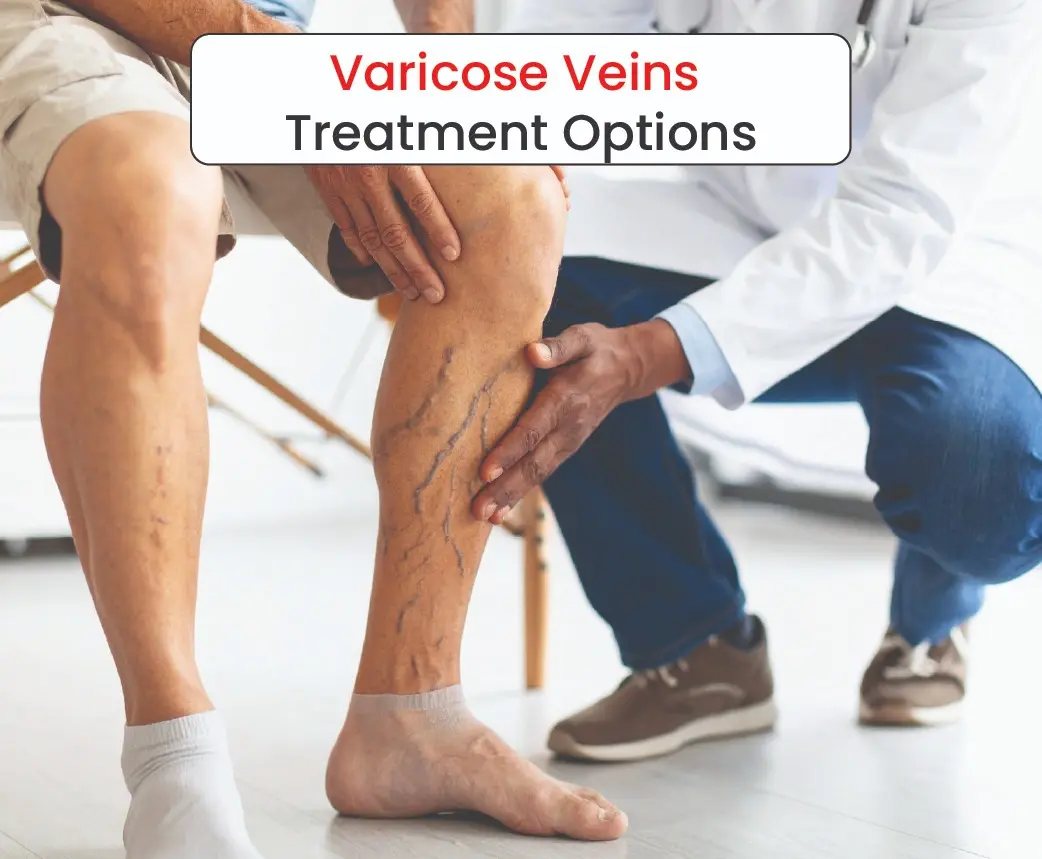
Varicose veins are a common vascular issue affecting millions worldwide. These swollen, twisted
veins are often more than just a cosmetic concern—they can cause discomfort, pain, and severe
health complications if left untreated. Thankfully, advancements in medical science have made
varicose veins treatment more effective and accessible than ever before.
Get Your First Doppler Scan FREE — Worth ₹4,500!
What Are Varicose Veins?
Varicose veins occur when the valves in the veins fail to function properly, leading to blood
pooling and vein enlargement. Common symptoms include aching legs, swelling, and visible blue or
purple veins. Factors such as genetics, obesity, and prolonged standing increase the likelihood
of developing varicose veins. While they may seem harmless initially, untreated varicose veins
can result in complications such as ulcers, bleeding, or even blood clots.
Treatment Options for Varicose Veins
Modern medicine offers several options for treating varicose veins, ranging from minimally
invasive procedures to advanced surgical interventions. Common treatments include: Laser Treatment: A non-invasive option that uses focused light to seal affected
veins. Sclerotherapy: This involves injecting a solution that collapses the damaged
vein, causing it to
fade over time. Radiofrequency Ablation: A heat-based procedure that closes off varicose veins
efficiently.
These procedures are widely available at specialized hospitals, which focus on treating varicose
veins and related vascular conditions.
Confused about treatment options? Our experts will guide you step by step.
Avis Vascular Hospital: The Leading Choice in Hyderabad
For individuals seeking varicose veins treatment in Hyderabad, Avis Vascular Hospital is the top
choice. With its advanced medical technology and experienced specialists, Avis offers
comprehensive care for varicose veins and associated vascular conditions.
The hospital’s expertise in minimally invasive procedures, such as laser treatment and
sclerotherapy, ensures effective results with minimal downtime. Patients at Avis benefit from
personalized treatment plans, state-of-the-art equipment, and a focus on patient comfort. For
those facing complications like deep vein thrombosis, Avis also provides exceptional care,
making it the preferred hospital in Hyderabad.
Managing Related Conditions: Deep Vein Thrombosis
DVT is a serious condition often associated with varicose veins. It occurs when blood clots form
in the deeper veins, leading to swelling, redness, and pain. Left untreated, DVT can lead to
life-threatening complications such as pulmonary embolism.
Prompt treatment is crucial for managing this condition. Specialists at vascular hospitals use
advanced diagnostic tools and treatment methods, including anticoagulant medications and clot
removal procedures, to provide effective care. Combining DVT management with varicose vein
treatment ensures holistic vascular health.
Why Early Treatment Matters
Early diagnosis and treatment of varicose veins can prevent complications and improve overall
vascular health. Choosing a specialized hospital is essential for receiving the right care.
Whether it’s laser treatment for varicose veins or advanced therapies for deep vein thrombosis,
timely intervention can make all the difference.
Varicose veins are not just a cosmetic concern—they are a medical condition that requires expert
care. From advanced varicose vein treatment to specialized treatments, comprehensive solutions
are available to restore your vascular health. If you’re in Hyderabad, Avis Vascular Center is
your trusted partner for effective and patient-centric care.
Take the first step toward healthier, pain-free legs by consulting a vascular specialist today.
Don’t let varicose veins affect your quality of life—seek expert care and live with confidence.
For any unanswered questions, reach out to our support team via
email. We’ll respond as soon as possible to assist you.
For Enquiry
✉
info@avisvascularcentre.com
☎
+ 91 80089 49900
Are varicose veins always a medical problem or just a cosmetic issue?
−
Varicose veins may begin as a cosmetic concern, but they are medically significant. Over time,
faulty vein valves can worsen blood pooling, leading to pain, swelling, skin discolouration,
itching, ulcers, or bleeding. In some cases, untreated varicose veins increase the risk of serious
complications such as blood clots.
When should someone seek treatment for varicose veins?
+
Treatment should be considered when symptoms such as leg heaviness, pain, swelling, night cramps,
skin changes, or visible vein enlargement begin affecting daily life. Early medical evaluation is
important because treating varicose veins at an earlier stage can prevent complications and reduce
the need for more extensive procedures later.
How do modern varicose vein treatments differ from traditional surgery?
+
Modern treatments focus on minimally invasive techniques rather than open surgery. Procedures like
laser treatment, sclerotherapy, and radiofrequency ablation are performed through tiny punctures,
require only local anaesthesia, and allow patients to walk and return home the same day. These
methods significantly reduce pain, scarring, and recovery time.
Is laser treatment effective for all types of varicose veins?
+
Laser treatment is highly effective for many patients, especially those with larger, straight veins
caused by venous reflux. However, not all varicose veins are the same. A detailed ultrasound
examination is necessary to determine whether laser treatment, sclerotherapy, radiofrequency
ablation, or a combination approach is best suited for an individual case.
Can varicose veins lead to deep vein thrombosis (DVT)?
+
While varicose veins themselves are usually superficial, long-standing venous disease can increase
the risk of clot formation in certain patients. Poor circulation, inflammation, and prolonged blood
pooling can contribute to clot-related complications, making timely diagnosis and treatment
important for overall vascular safety.