WhatsApp

Lymphedema: Causes, Risk Factors and Symptoms

Blog Image
What Is Lymphedema?

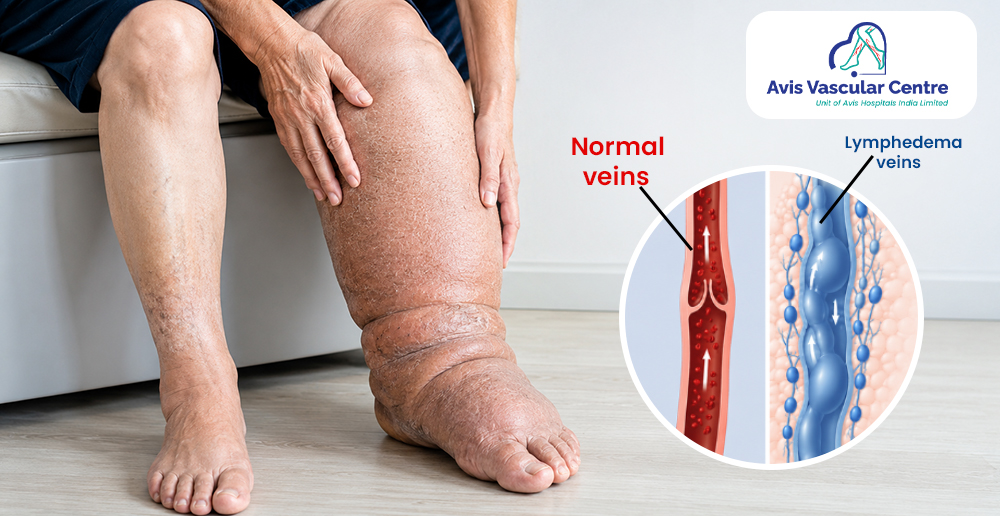
Lymphedema is a chronic condition caused by the buildup of lymphatic fluid in body tissues due to impaired lymphatic drainage. This leads to persistent swelling, most commonly affecting the arms or legs. The lymphatic system plays a vital role in fluid balance and immune function, and when it does not function properly, fluid accumulates instead of draining away.

Common Characteristics of Lymphedema Include:
  • Persistent swelling in one or more limbs
  • Gradual onset that may worsen over time
  • Heaviness or tightness in the affected area
  • Thickening or hardening of the skin
  • Reduced flexibility or movement of the limb

Lymphedema may initially appear mild but can progress if not recognised and managed appropriately.

Get Your First Doppler Scan FREE β€” Worth β‚Ή4,500!

Understanding what varicose veins are helps patients recognise early symptoms and seek timely medical guidance. Early diagnosis prevents the condition from progressing and protects overall vein health.

What Causes Lymphedema?

Lymphedema occurs when lymph vessels or lymph nodes are damaged, absent, or obstructed, preventing normal drainage of lymphatic fluid. This disruption causes fluid to collect in surrounding tissues, leading to swelling. The condition may be present from birth or develop later due to damage to the lymphatic system.

Major Causes of Lymphedema Include:
  • Congenital abnormalities of the lymphatic system
  • Damage to lymph nodes or vessels
  • Obstruction of lymphatic pathways
  • Inflammation or scarring affecting lymph flow

These causes interfere directly with lymph movement, resulting in long-term fluid accumulation.

Risk Factors of Lymphedema

Certain conditions and medical histories increase the likelihood of developing lymphedema. While risk factors do not directly cause the condition, they make the lymphatic system more vulnerable to dysfunction.

Major Risk Factors of Lymphedema Include:
  • History of lymph node removal or damage
  • Previous infections affecting lymph vessels
  • Trauma to limbs
  • Obesity
  • Certain cancers or cancer-related procedures

Identifying risk factors early helps with monitoring and timely intervention.

Symptoms of Lymphedema

Symptoms of lymphedema often develop slowly and may fluctuate in severity. Early symptoms can be subtle, while advanced stages may involve significant swelling and skin changes.

Common Symptoms of Lymphedema Include:
  • Swelling in the arm, leg, hand, or foot
  • Feeling of heaviness or tightness
  • Skin thickening or firmness
  • Reduced range of motion
  • Recurrent skin infections

As symptoms progress, daily activities may become more difficult, making early recognition important.

Frequently Asked Questions

For any unanswered questions, reach out to our support team via email. We’ll respond as soon as possible to assist you.

For Enquiry
βœ‰ info@avisvascularcentre.com
☎ +91 80089 49900

How is lymphedema different from temporary swelling caused by injury or fatigue?

βˆ’
Lymphedema is caused by lymphatic dysfunction and does not resolve on its own like temporary swelling.

Can lymphedema affect only one limb or does it usually involve both sides?

+
Lymphedema can affect one limb or both, depending on the underlying cause.

Why does lymphedema often worsen over time if left unmanaged?

+
Continued fluid accumulation leads to tissue changes that further impair lymph drainage.

Is lymphedema considered a lifelong condition?

+
It is usually long-term, but proper management helps control symptoms effectively.

Why is skin care emphasized so strongly in lymphedema management?

+
Swollen tissues are more prone to infection, making skin protection essential.

Can lymphedema cause pain or discomfort?

+
It may cause heaviness, tightness, or discomfort, especially in advanced stages.

Ready to Take the Next
Step in Your Health Journey?

Book an appointment or contact our team today we’re here to help.