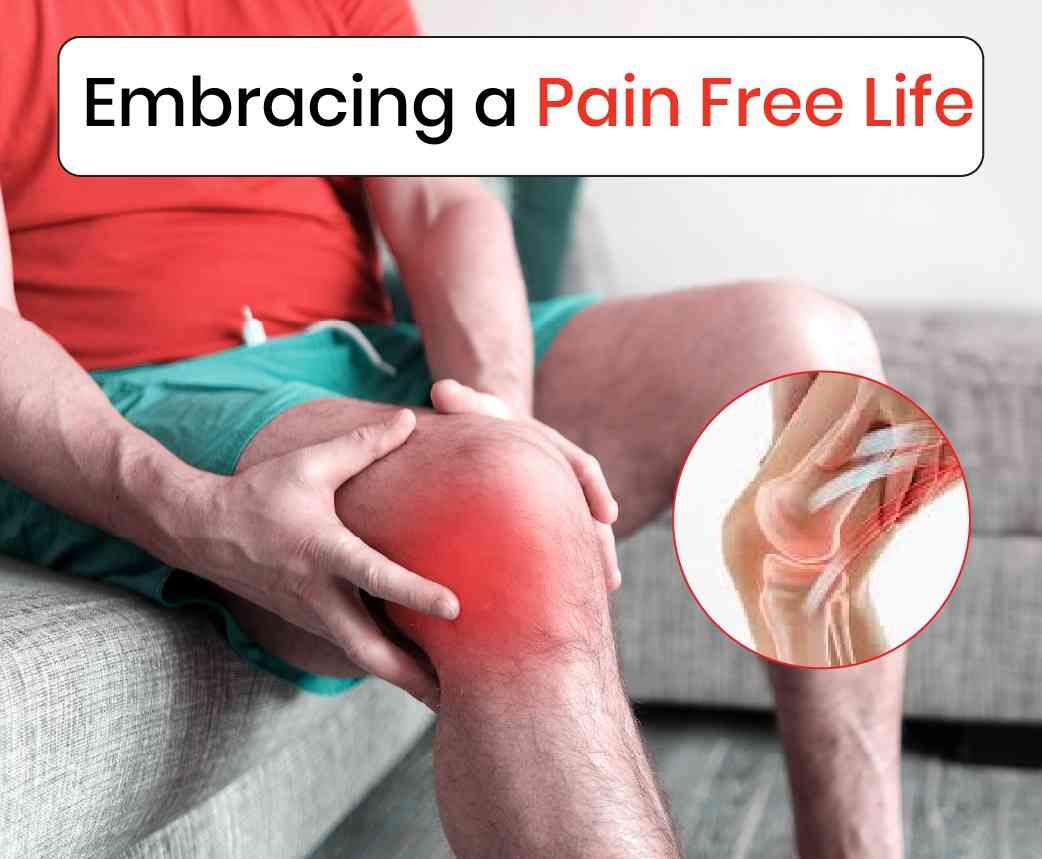
Arthritis, a debilitating condition often accompanying the golden years, can turn the simplest
of tasks into painful endeavors. Traditional treatments like surgery often bring their own set
of challenges and discomforts, especially for older adults. Enter Genicular Artery Embolization
(GAE), a minimally invasive procedure that promises relief without the ordeal of surgery. Let’s
explore why GAE is a beacon of hope for elderly individuals struggling with arthritis and how it
stands as a superior alternative to surgical interventions.
Understanding Arthritis and Its Impact:
Arthritis, particularly osteoarthritis, is characterized by the gradual wearing down of
cartilage in the joints, leading to pain, stiffness, and reduced mobility. For many elderly
individuals, this condition can significantly impair their quality of life, turning every
movement into a struggle and every step into a challenge.
Get Your First Doppler Scan FREE — Worth ₹4,500!
The Traditional Path: Surgery and Its Drawbacks:
Historically, severe arthritis has often been treated with surgery, such as knee replacement.
While these procedures can be effective, they come with a host of risks and disadvantages,
especially for older adults:
Extended Recovery Time: Surgery typically requires a long recovery period, which can be arduous
for the elderly.
Complications: The risk of complications, such as infections, blood clots, and adverse reactions
to anesthesia, is higher in older patients.
Physical and Emotional Stress: The physical and emotional toll of undergoing and recovering from
surgery can be significant, impacting overall well-being.
Introducing Genicular Artery Embolization (GAE):
GAE is a minimally invasive procedure designed to alleviate pain and improve joint function in
individuals with osteoarthritis. By targeting the arteries that supply blood to the inflamed
areas of the knee, GAE effectively reduces inflammation and pain.
How GAE Works:
The procedure involves the following steps:
Imaging: Using advanced imaging techniques, the interventional radiologist identifies the
genicular arteries responsible for supplying blood to the affected areas.
Embolization: Tiny particles are injected into these arteries to block blood flow, thereby
reducing inflammation and pain.
Outpatient Procedure: GAE is typically performed on an outpatient basis, meaning patients can go
home the same day.
Confused about treatment options? Our experts will guide you step by step.
Why GAE is Ideal for the Elderly:
Comparing Surgery and GAE:
While GAE is showing promising results, long-term data on its efficacy compared to surgery is
still being collected. GAE may not be suitable for every patient, particularly those with
extremely severe arthritis or other complicating factors. However, following factors are
important while considering the two methods of treatment.
Minimal Invasiveness: GAE involves a small puncture rather than large incisions, minimizing
trauma to the body and promoting faster recovery.
Reduced Recovery Time: Unlike surgery, which can require weeks or months of rehabilitation, GAE
patients often experience significant pain relief within days, allowing them to return to their
normal activities much sooner.
Lower Risk of Complications: The risk of complications is substantially lower with GAE compared
to surgical interventions, making it a safer option for older adults.
Improved Quality of Life: By effectively managing pain without the need for extensive recovery,
GAE can significantly enhance the quality of life for elderly individuals.
Get Your First Doppler Scan FREE — Worth ₹4,500!
Comparing Efficacy:
Pain Relief:
Surgery: Provides substantial and long-term pain relief, but the benefit comes after a long and
painful recovery period.
GAE: Offers significant pain relief often within days, with much less downtime. Studies have
shown that many patients experience a marked reduction in pain and improvement in joint
function.
Mobility Improvement:
Surgery: Can significantly improve mobility and function, but requires extensive rehabilitation.
GAE: Improves mobility with a much shorter recovery time. Patients can often resume their normal
activities shortly after the procedure.
Patient Satisfaction:
Surgery: While many patients are ultimately satisfied with the outcome, the lengthy and painful
recovery can be a major drawback.
GAE: High patient satisfaction due to the minimally invasive nature of the procedure and rapid
relief from symptoms.
For elderly individuals battling the relentless pain of arthritis, GAE represents a
transformative approach that marries efficacy with minimal invasiveness. By reducing pain and
improving mobility without the need for surgery, GAE stands as a testament to the advancements
in medical science that prioritize patient comfort and well-being. Embrace the possibility of a
pain-free life with GAE, and let the golden years be truly golden, unmarred by the shadows of
arthritis and surgical recovery.
For any unanswered questions, reach out to our support team via
email. We’ll respond as soon as possible to assist you.
For Enquiry
✉
info@avisvascularcentre.com
☎
+91 80089 49900
What is Genicular Artery Embolization (GAE), and how does it help arthritis pain?
−
Genicular Artery Embolization (GAE) is a minimally invasive procedure used to reduce knee pain
caused by osteoarthritis. It works by blocking tiny blood vessels that supply inflamed areas of the
knee, thereby reducing inflammation and pain without surgery.
Is GAE safe for elderly patients?
+
Yes, GAE is considered a safe option for many elderly patients, especially those who may not be
ideal candidates for surgery due to age-related risks or medical conditions. Since it is minimally
invasive and performed under local anesthesia, it carries a lower risk of complications compared to
knee replacement surgery.
How is GAE different from knee replacement surgery?
+
Unlike knee replacement surgery, GAE does not involve removing or replacing the joint. It requires
only a small puncture instead of large incisions, has a much shorter recovery time, and avoids risks
related to general anesthesia, making it a gentler option for older adults.
How soon can patients expect pain relief after GAE?
+
Many patients experience noticeable pain relief within days to a few weeks after GAE. Improvement in
mobility and reduction in stiffness often occur gradually as inflammation decreases.
Will GAE completely cure arthritis?
+
GAE does not cure arthritis or reverse joint damage. It is a pain-management and symptom-relief
procedure designed to reduce inflammation and improve quality of life. It can significantly delay or
even help avoid surgery in suitable patients.