Blog > Vascular Diseases > Liberating Women from Uterine Fibroids
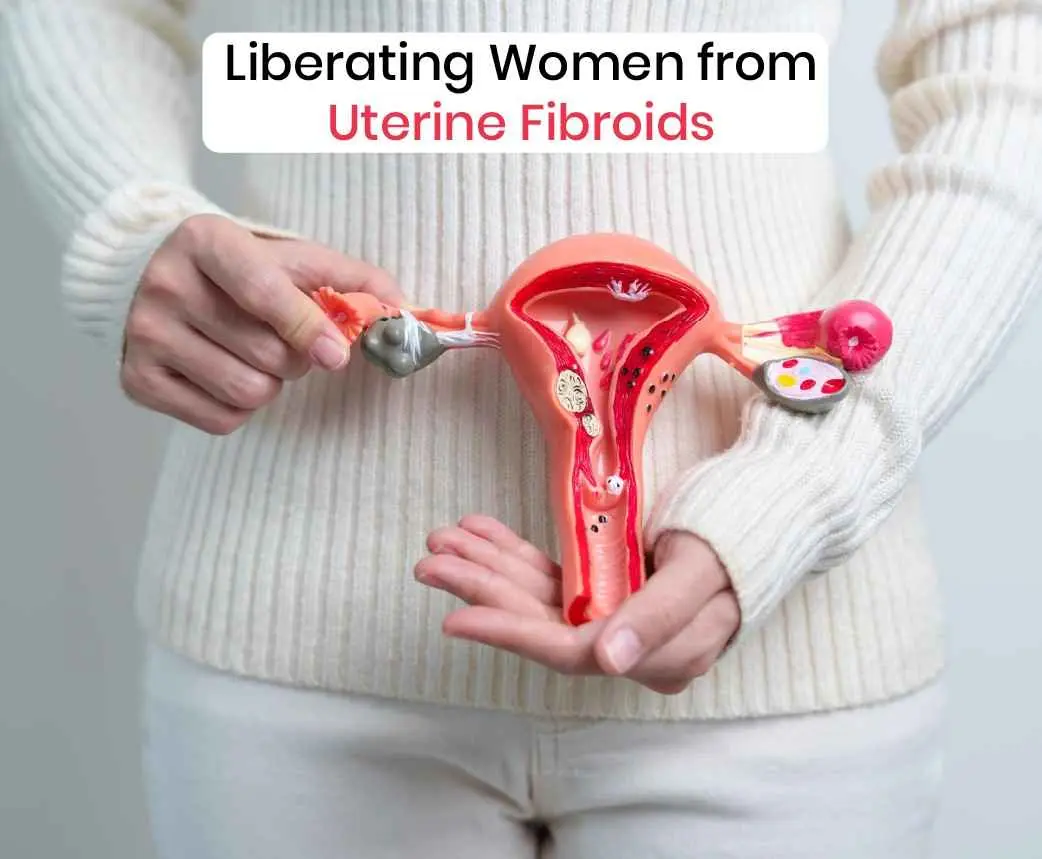
Liberating Women from Uterine Fibroids
18-October-2025Category: Vascular Diseases
Uterine fibroids, those pesky benign tumors that develop in the uterus, can wreak havoc on a
woman’s life. But fear not, ladies! There’s a non-surgical route to freedom from these
troublemakers. Here through this article we explore how uterine fibroids can be treated without
resorting to surgery, and why it’s a game-changer.
Understanding the Early Symptoms:
Imagine your body as a finely tuned instrument, delicately attuned to any deviations from its
natural rhythm. When uterine fibroids begin to form, they may initially go unnoticed,
manifesting in subtle changes that are easy to dismiss. But paying attention to these early
symptoms can be the key to unlocking timely intervention.
One of the first signs to watch out for is changes in your menstrual cycle. Have you noticed
your periods becoming unusually heavy or lasting longer than usual? Do you experience pelvic
pain or pressure, especially during menstruation? These seemingly minor disturbances could be
your body’s way of signaling the presence of uterine fibroids.
Get Your First Doppler Scan FREE — Worth ₹4,500!
First Warning Sign:
Before other symptoms become too unbearable, there’s often a subtle warning sign that shouldn’t
be ignored: abnormal menstrual bleeding. Whether it’s unusually heavy periods, prolonged
bleeding, or spotting between cycles, any deviation from your normal menstrual pattern warrants
attention. Other early symptoms may include frequent urination, constipation, or discomfort
during intercourse. While these signs may not immediately raise alarm bells, they shouldn’t be
brushed aside. Instead, listen to your body’s whispers and seek medical advice if anything seems
amiss.
Ignoring these signs could allow fibroids to grow unchecked, leading to more severe symptoms
down the road.
Unleashing the Power of Non-Surgical Treatments:
Picture this: You’re a woman navigating through the labyrinth of life when suddenly, uterine
fibroids throw you off course. Traditional treatments often involve invasive surgeries, causing
discomfort, downtime, and potential complications. But fear not! Non-surgical treatments offer a
beacon of hope.
One such method is uterine fibroid embolization (UFE). This minimally invasive procedure
involves blocking the blood vessels that feed the fibroids, causing them to shrink and vanish
into oblivion. As a woman who’s undergone UFE, let me tell you, it’s a game-changer! Minimal
recovery time, no surgical scars, and best of all, bidding farewell to those pesky fibroids.
Confused about treatment options? Our experts will guide you step by step.
Why Surgery Isn't the Holy Grail:
Ah, surgery, the age-old solution to medical woes. Whether it’s a myomectomy (fibroid removal) or
hysterectomy (uterus removal), comes with its fair share of risks and side effects.
For starters, surgical procedures entail a longer recovery period, often requiring weeks or even
months of downtime. Not to mention the potential for complications such as infection, excessive
bleeding, or damage to surrounding organs. And let’s not forget the psychological toll of
undergoing major surgery. It’s enough to make any woman second-guess her options.
Get Your First Doppler Scan FREE — Worth ₹4,500!
What Women Truly Fear:
Behind the clinical jargon and medical charts lies a tapestry of women’s fears and concerns when
facing uterine fibroids. From the fear of infertility to the dread of chronic pain, the
emotional burden can be overwhelming.
For many women, the thought of losing their fertility due to fibroids is a nightmare come to
life. The uncertainty of whether they’ll be able to conceive and carry a child weighs heavily on
their minds, casting a shadow over their hopes and dreams of motherhood.
Then there’s the physical discomfort that accompanies uterine fibroids – the pelvic pain, heavy
menstrual bleeding, and pressure on the bladder and bowel. It’s like living with a constant
reminder of your body’s betrayal, disrupting daily life and robbing you of your vitality.
Uterine fibroids may be a formidable foe, but they’re no match for the power of non-surgical
treatments. By embracing alternatives like uterine fibroid embolization, women can reclaim
control over their bodies without the risks and downtime associated with surgery. So, to all the
women out there facing fibroid fears, remember, there’s a light at the end of the tunnel – and
it doesn’t require a scalpel to reach it.
Call our expert doctors at Avis Vascular center, and know your possible treatment options
including embolization.
Tags: fibroids, fibroids and issues, uterine fibroids, women fibroids, women health problems
For any unanswered questions, reach out to our support team via
email. We’ll respond as soon as possible to assist you.
For Enquiry
✉
info@avisvascularcentre.com
☎
+91 80089 49900
How do i book an appointment?
−
You can book an appointment through our online portal or by
calling our office directly.
Can uterine fibroids really be treated without surgery?
+
Yes. Many uterine fibroids can be treated without surgery using minimally invasive procedures like
uterine fibroid embolization (UFE). These treatments shrink fibroids by cutting off their blood
supply instead of removing them surgically.
What are the early warning signs of uterine fibroids that women often ignore?
+
Early signs may include unusually heavy or prolonged periods, pelvic pressure, frequent urination,
constipation, or discomfort during intercourse. These symptoms are often subtle at first and may be
mistaken for normal menstrual changes.
How does uterine fibroid embolization (UFE) work?
+
UFE works by blocking the blood vessels that supply fibroids. Without blood flow, fibroids gradually
shrink and symptoms like heavy bleeding and pelvic pain improve, while the uterus itself is
preserved.
Why do many women prefer non-surgical fibroid treatment over surgery?
+
Non-surgical treatments usually involve less pain, no large incisions, shorter recovery time, and
fewer risks compared to surgery. They also avoid the emotional and physical stress associated with
procedures like hysterectomy.
Will non-surgical fibroid treatment affect fertility?
+
Fertility outcomes vary from woman to woman. One advantage of non-surgical treatments is that they
preserve the uterus, which may be important for women concerned about future pregnancy. A specialist
evaluation is essential to determine the best option.