Blog > Vascular Diseases > UnderStanding Varicose Veins
Recognizing the Signs of Venous Disease
18-October-2025Category: Vascular Diseases
Vein health is often overlooked, but our veins play an essential role in circulating blood back
to the heart. When the veins in our legs stop working efficiently, blood can pool, leading to
conditions collectively known as venous disease. Recognizing the signs of venous disease early
is crucial for avoiding serious complications and ensuring timely treatment. This article
highlights the common signs of venous disease and provides guidance on when to seek medical
help.
Get Your First Doppler Scan FREE — Worth ₹4,500!
Understanding Venous Disease
Venous disease encompasses a range of conditions that affect the veins, particularly in the
legs. The most common conditions include varicose veins, chronic venous insufficiency (CVI),
deep vein thrombosis (DVT), and venous ulcers. These conditions arise when veins become damaged,
causing blood to flow poorly or pool, which leads to a variety of symptoms. Early detection can
prevent further complications, such as skin ulcers, blood clots, or even life-threatening
pulmonary embolisms.
Confused about treatment options? Our experts will guide you step by step.
Common Signs of Venous Disease
Swelling in the Legs and Ankles
Swelling, especially after long periods of standing or sitting, can be an early indication of
venous disease. Blood pooling in the lower legs increases pressure in the veins, causing fluid
to leak into the surrounding tissues. This often leads to discomfort and a sensation of
heaviness in the legs.
Leg Pain and Cramping
Leg pain is common in those with venous disease and can range from mild discomfort to severe
aching or throbbing pain. The pain often worsens after extended periods of inactivity. Some
individuals may also experience cramping, particularly at night, which can interfere with
restful sleep.
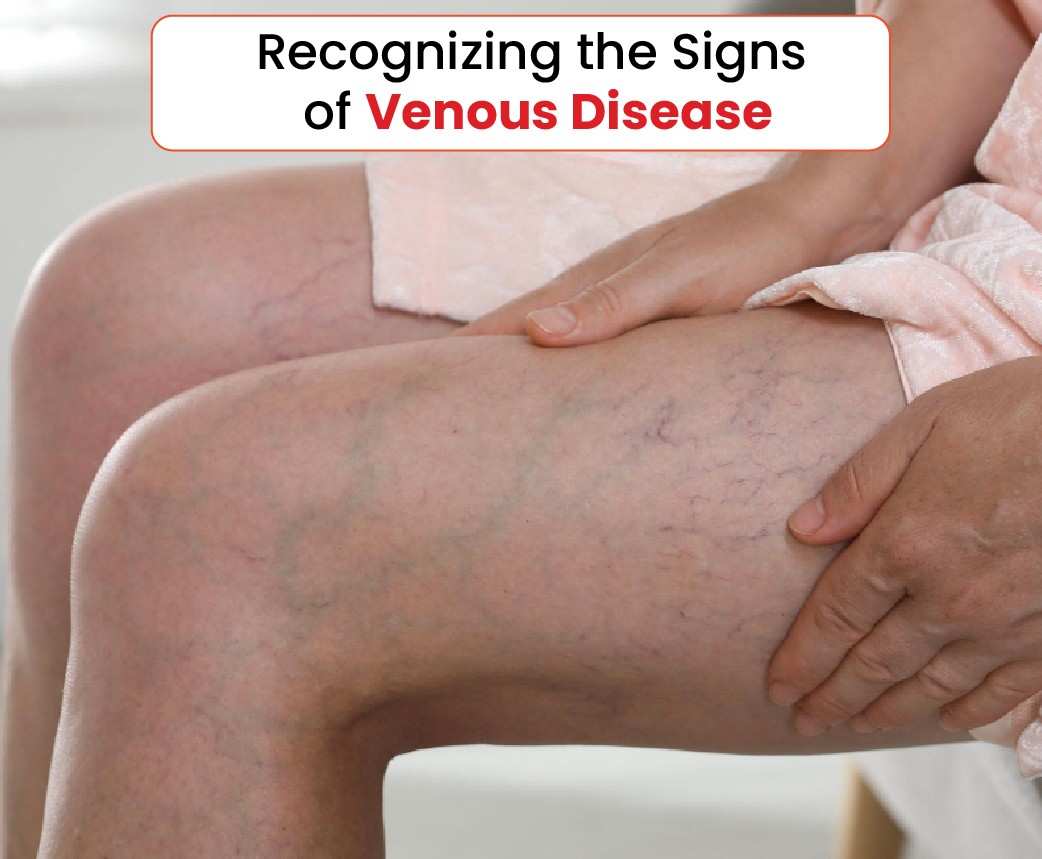
Varicose Veins and Spider Veins
Varicose veins are large, swollen, twisted veins that are visible under the skin and often
appear blue or purple. Spider veins are smaller, red or blue veins that spread like a web.
Although these may seem primarily cosmetic, they can be a sign of poor vein function and may
progress into more serious conditions if left untreated.
Skin Discoloration or Texture Changes
Chronic venous insufficiency can lead to skin changes, including darkening, redness, or a
leathery texture. The skin around the ankles and lower legs may become thickened or develop a
reddish-brown discoloration. These changes are often early indicators of venous disease and can
eventually lead to painful skin ulcers if not addressed.
Heaviness and Fatigue in the Legs
People with venous disease frequently describe a feeling of heaviness in their legs, especially
toward the end of the day. This sensation often correlates with the pooling of blood in the legs
and worsens with prolonged standing or sitting.
Non-Healing Sores or Ulcers
Venous ulcers are open sores that develop on the skin, usually around the ankles. They result from
prolonged venous insufficiency and can be difficult to heal. These ulcers may become infected,
leading to more severe health issues.
Itching and Skin Irritation
Itchy skin around the veins or ankles may seem like a minor annoyance, but it’s a sign that blood
flow is compromised. This irritation can lead to dermatitis or eczema, further complicating vein
health.
Get Your First Doppler Scan FREE — Worth ₹4,500!
When to Seek Medical Help
If you experience any of these symptoms, particularly if they are persistent or worsening, it’s wise
to consult a healthcare professional. Some of the symptoms, like varicose veins or mild swelling,
may initially seem like minor issues. However, these symptoms can worsen over time, leading to more
severe complications such as venous ulcers or deep vein thrombosis.
Seek immediate medical attention if you experience:
Sudden, severe swelling in one leg.
Intense pain or tenderness in the calf or thigh.
Redness, warmth, or changes in skin color on the leg.
Any sign of a non-healing sore, especially around the ankle.
These symptoms could indicate DVT, a potentially life-threatening condition that requires prompt
intervention.
Treatment Options for Venous Disease
Treatment for venous disease varies depending on its severity. Early-stage venous issues can often
be managed with lifestyle changes, such as exercising regularly, elevating the legs, and wearing
compression stockings. For more advanced cases, minimally invasive options like sclerotherapy,
radiofrequency ablation (RFA), and can effectively manage symptoms
and prevent further damage. These modern treatments offer effective alternatives to surgery and can
significantly improve quality of life.
Vein health is essential to overall well-being, and recognizing the signs of venous disease early
can prevent serious complications. Don’t ignore symptoms like leg swelling, pain, or skin
changes—seeking timely help can lead to better treatment outcomes. With the right care and
intervention, it’s possible to maintain healthy veins and a higher quality of life. If you notice
any of these warning signs, make an appointment with a vein specialist to discuss your symptoms and
explore treatment options tailored to your needs.
For any unanswered questions, reach out to our support team via
email. We’ll respond as soon as possible to assist you.
For Enquiry
✉
info@avisvascularcentre.com
☎
+91 80089 49900
How do i book an appointment?
−
You can book an appointment through our online portal or by
calling our office directly.
What is venous disease and why does it affect the legs?
+
Venous disease refers to conditions where leg veins struggle to return blood efficiently to the heart. When veins are damaged, blood pools in the legs, leading to symptoms like swelling, pain, skin changes, and visible veins. Early identification helps prevent long-term complications.
Is leg swelling always a sign of venous disease?
+
Leg or ankle swelling, especially after prolonged standing or sitting, can be an early sign of venous disease. It occurs when pooled blood increases pressure in the veins, causing fluid to leak into surrounding tissues. Persistent or recurring swelling should be medically evaluated.
Are varicose veins and spider veins only cosmetic problems?
+
Varicose veins and spider veins may appear cosmetic, but they often indicate poor vein function. If untreated, they can progress into more serious venous conditions, leading to pain, skin changes, or ulcers, making medical assessment important even in early stages.
When should I seek medical help for venous disease symptoms?
+
You should seek medical advice if symptoms such as leg pain, heaviness, skin discoloration, itching, or swelling persist or worsen. Immediate medical attention is necessary for sudden leg swelling, severe pain, skin warmth, redness, or non-healing sores, as these may indicate serious complications.
How is venous disease treated today?
+
Treatment depends on severity. Early stages may be managed with lifestyle changes, leg elevation, exercise, and compression stockings. Advanced venous disease can be treated using minimally invasive procedures like sclerotherapy, radiofrequency ablation, or endovenous laser treatment, which help improve blood flow and symptoms.