Blog > Vascular Diseases > Six Things to Know About Varicose Veins
Veins are vascular structures that are responsible for carrying the used and deoxygenated blood
from all different body parts back to the heart. When valves of certain veins deteriorate and do
not promote, rather hinder, the blood flow back to the heart, it causes pooling of blood and
results in varicose veins.
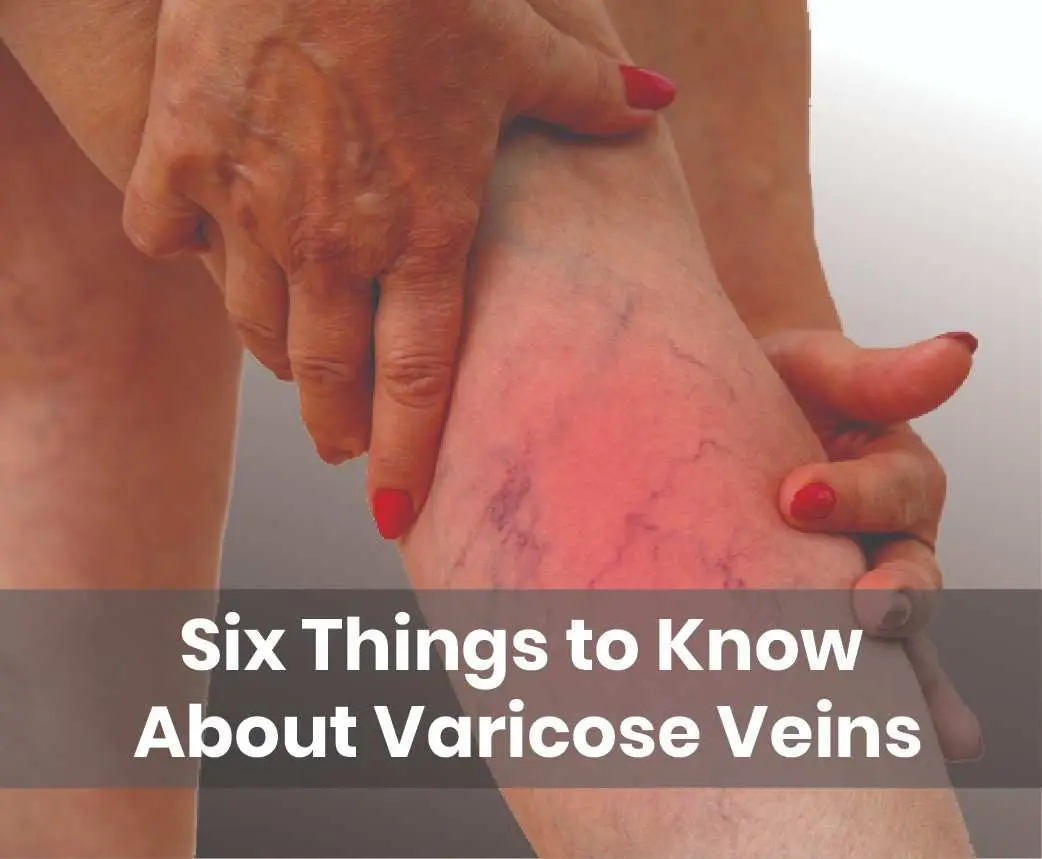
Veins lose their elasticity and become dilated thus leading to swollen and painful veins that
are often seen bulging out from the skin surface of the legs. These are clearly visible to the
naked eye and are accompanied by irritation and itching in the damaged area.
Varicose veins are largely different from spider veins. Spider veins are smaller and tubular
blood vessels that are usually seen in treelike or spiderweb like form on the legs. Spider veins
do not have severe symptoms and do not usually lead to any medical complications.
Some symptoms should not be ignored ?
If your varicose veins are not causing any discomfort or pain, you may not necessarily get them
treated immediately, but there are a few symptoms which must be reported to the doctor as soon
as possible. Please make a note of them below:
1. Itchy and dry skin around the affected area
2. Redness on the damaged skin surface
3. Hyperpigmentation on the lower leg and/or ankle
4. Thickening and/or hardening of the skin of the affected area
5. Skin ulcer that is an open sore and is not caused by an injury. It may or
may not have pus fluid
drainage.
All these are severe symptoms of varicose veins and you must seek medical care and treatment in
a priority. In a few cases, varicose veins also develop due to Deep Vein Thrombosis (clots in
the deep rooted veins) that may not have any symptoms for some people or may occur with severe
leg pain and swelling in some other cases.
Another prominent symptom in cases of DVT is the pain in the calf of one leg that is usually
accompanied by cramps and soreness. Your legs may also feel warm when you touch them. If you
notice one or more of the above mentioned symptoms, you must not delay visiting a vascular
expert.
You will need an ultrasound
If you have any early symptoms of varicose veins or doubt that you might be suffering from a
venous disorder, you must visit a vascular expert and get an ultrasound done. The Doppler
ultrasound scan will help the medical practitioner analyse and evaluate your condition and its
severity.
With the help of the doppler ultrasound scan, the vascular expert will be able to measure the
amount of blood flow in your leg veins. These help the doctor to examine any abnormalities that
may require treatment.
After the ultrasound scan reports, the vascular expert will suggest the best treatment option to
cure the underlying medical condition.
The doctor will advise whether the affected veins can be treated by the latest laser ablation
procedure or will necessarily require surgery.
Painless treatment option is available
About 15 years ago, the only way to treat varicose veins was a surgery where the patient was
given general anaesthesia and operated in an operation theatre. The surgical procedures are
quite painful and require massive post-operative care. The patient is usually advised complete
bed rest after the surgery.
With humungous advancements in medical technology, varicose veins can be effectively treated by
the painless and minimally invasive laser technique. This process is quick and requires only
local anaesthesia. Usually performed in the doctor’s office itself, there is minimal
post-operative care and the patient can go back home on the very same day.
Diet and exercise can help
As we age, most of us will have ugly looking, prominently visible, abnormal, and enlarged veins
on our legs and feet. Obesity, smoking, lack of exercise, and a job that requires you to sit or
stand for longer durations at a stretch are the major risk factors of varicose veins.
There is little that we can do to prevent venous disorders and diet and exercise play a major
role in it. A nutritional diet and a moderate exercise routine may not be able to prevent
varicose veins but can definitely assist in delaying its onset and reducing the probability of
varicose veins turning into a critical condition.
Varicose veins caused due to pregnancy may go away on their own
Some women develop varicose veins during pregnancy. The circulating blood volume increases in
the woman’s body to take care of the foetus, hormonal changes also occur and cause dilation of
the leg veins.
Women who suffer from varicose veins in their pregnancy term must wait for three to six months
after delivery. If the varicose vein symptoms still persist, she must schedule an appointment
with a vascular expert and seek expert medical assistance.
Varicose veins are not a very serious condition but can turn into a medical emergency if
treatment is delayed. If you have visible but painless varicose veins in the lower leg region,
immediate treatment may not be required but there are high chances of these varicose veins
turning into highly painful and swollen veins in due course of time.
Thus, it is suggested to plan your medical check-up and treatment in a priority. Your search for
a trusted and reliable vascular medical institution ends with Avis Hospitals. We have a team of
internationally qualified and extensively trained interventional radiologists who specialize in
the USFDA approved laser treatment of varicose veins.
The protocols that we follow are approved by the American College of Phlebology. We treat over
40,000+ patients every year and already have over 40,000+ happy and satisfied patients with a
whopping success rate of 95%
We also offer complete assistance to outstation patients with 100% price assurance at the time
of admission itself. We have tie-ups with all leading insurance agencies of India and assist in
quick Mediclaim clearance for one and all.
For the most trusted, reliable and efficient treatment of your varicose veins, schedule an
appointment with us today!