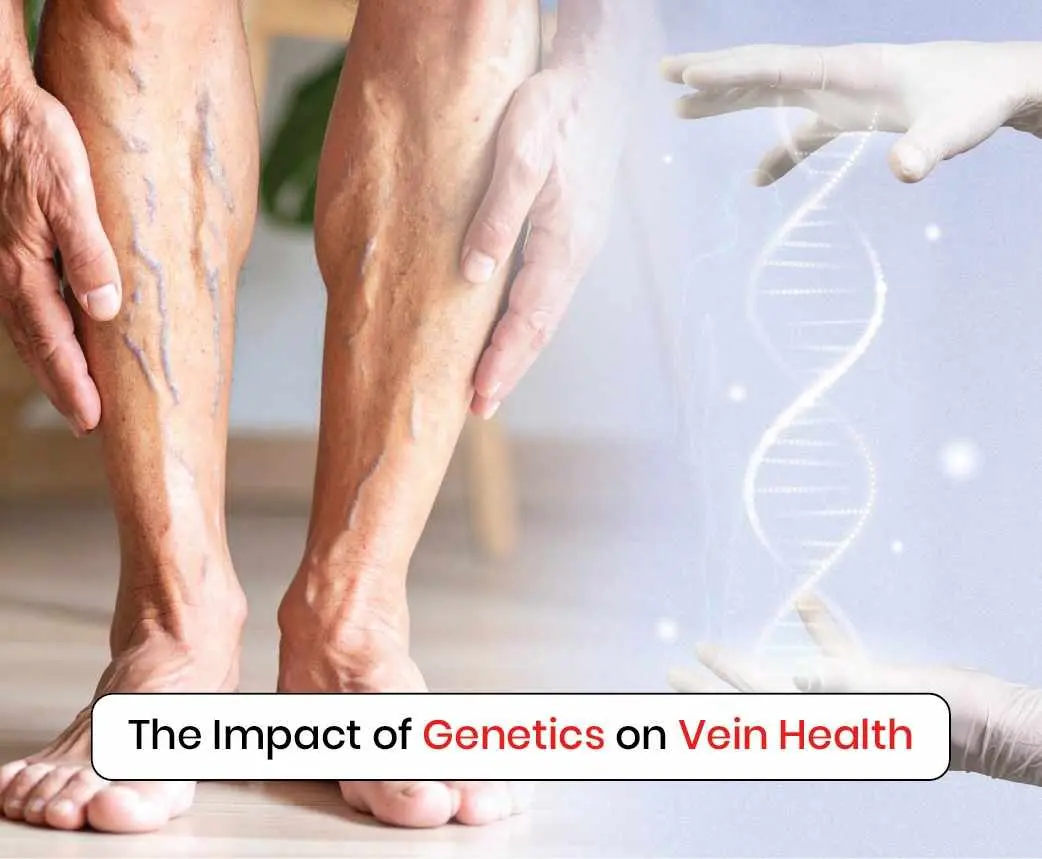
Blog > Vascular Diseases > The Impact of Genetics on Vein Health
The Impact of Genetics on Vein Health
18-October-2025Category: Vascular Diseases
Vein health is a critical component of overall cardiovascular wellness, yet it’s often
overlooked until problems arise. One significant factor influencing vein health is genetics.
Understanding how hereditary factors contribute to vein conditions can help in managing and
preventing issues like varicose veins and chronic venous insufficiency (CVI). This blog explores
the hereditary aspects of vein health and highlights minimally invasive treatments like
sclerotherapy, ClariVein® (mechanochemical ablation), and glue therapy as effective,
non-surgical options.
Genetics and Vein Health
Hereditary Risk Factors
Genetics play a crucial role in determining vein health. If you have a family history of vein
conditions, you are more likely to develop similar issues. Studies suggest that up to 90% of
individuals with varicose veins have a family member who also has them. Genetic factors can
affect the strength and structure of vein walls and valves, making them more susceptible to
malfunction.
Gender and Hormones
Gender also intersects with genetic predispositions. Women are more prone to vein problems than
men, partly due to hormonal influences. Hormones such as estrogen and progesterone, which
fluctuate during pregnancy, menstrual cycles, and menopause, can weaken vein walls. This
hereditary sensitivity to hormonal changes increases the risk for conditions like varicose
veins.
Lifestyle and Environment
While genetics play a significant role, lifestyle factors influenced by family habits also
impact vein health. Sedentary lifestyles, prolonged standing or sitting, and obesity can
exacerbate hereditary predispositions. Therefore, a combination of genetic and environmental
factors often determines the extent of vein issues.
Get Your First Doppler Scan FREE — Worth ₹4,500!
Minimally Invasive Treatment Options
Fortunately, advancements in medical technology have provided several minimally invasive
treatment options that offer effective relief without the need for traditional surgery.
1. Sclerotherapy
Sclerotherapy involves injecting a sclerosant solution directly into the affected veins, causing
them to collapse and eventually be reabsorbed by the body. This treatment is highly effective
for small to medium-sized varicose veins and spider veins. The procedure is quick, typically
performed in an outpatient setting, and requires minimal downtime, making it an excellent option
for those with busy lifestyles.
2. Glue Therapy
Medical Glue therapy, involves the injection of a medical adhesive into the vein. This adhesive
seals the vein shut, rerouting blood flow to healthier veins. Glue therapy is particularly
advantageous because it eliminates the need for multiple injections and compression stockings
post-treatment. The procedure is quick, virtually painless, and allows for immediate return to
daily activities.
3. Cryo-Laser and Cryo-Sclerotherapy (CLaCS)
Cryo-Laser and Cryo-Sclerotherapy, known as CLaCS, is an innovative treatment combining laser
therapy and sclerotherapy with the application of intense cold. During CLaCS, a laser targets
and treats the veins, followed by sclerotherapy injections. The simultaneous use of a cooling
device minimizes discomfort and enhances results. This approach is particularly effective for
treating spider veins and small varicose veins, offering the benefits of both laser therapy and
sclerotherapy with improved patient comfort and faster recovery
Confused about treatment options? Our experts will guide you step by step.
Benefits of Minimally Invasive Treatments
Reduced Recovery Time: Minimally invasive treatments require little to no downtime, allowing
patients to resume their normal activities quickly.
Minimal Pain and Discomfort: These procedures are generally less painful than traditional
surgery, with local anesthesia typically being sufficient.
Lower Risk of Complications: Non-surgical treatments carry fewer risks of complications such as
infection and scarring.
Effective Outcomes: Many patients experience significant relief from symptoms and improved vein
appearance after these treatments.
Get Your First Doppler Scan FREE — Worth ₹4,500!
While hereditary factors play a significant role, lifestyle choices and minimally invasive
treatments like sclerotherapy, and glue therapy offer effective solutions. These treatments
provide excellent outcomes with minimal disruption to daily life, making them ideal choices for
those seeking to manage vein health without surgery. If you have a family history of vein issues
or are experiencing symptoms, consult a vein specialist to discuss the best treatment options
for you.
Tags: causes of varicose veins, genetical disorders, genetics on vein health, hereditary
varicose veins, varicose vein and genetics, varicose veins and genetics, varicose veins causes,
varicose veins treatment
For any unanswered questions, reach out to our support team via
email. We’ll respond as soon as possible to assist you.
For Enquiry
✉
info@avisvascularcentre.com
☎
+91 80089 49900
If varicose veins run in my family, will I definitely get them?
−
Not necessarily. A family history increases your risk, but lifestyle factors such as physical
activity, weight management, and work habits play a major role in whether vein problems actually
develop.
Why are vein problems more common in women than men?
+
Hormonal changes related to menstruation, pregnancy, and menopause can weaken vein walls over time.
When combined with a genetic predisposition, this makes women more vulnerable to conditions like
varicose veins and chronic venous insufficiency.
Can lifestyle changes really help if vein problems are genetic?
+
Yes. While genetics cannot be changed, regular exercise, avoiding prolonged sitting or standing,
maintaining a healthy weight, and using compression stockings when advised can significantly slow
progression and reduce symptoms.
Are minimally invasive vein treatments effective for hereditary vein conditions?
+
Yes. Treatments like sclerotherapy, glue-based vein closure, and CLaCS are designed to treat faulty
veins regardless of whether the cause is genetic or lifestyle-related. They address the problem
veins directly and provide long-lasting relief.
When should someone with a family history of vein disease see a specialist?
+
You should seek evaluation if you notice symptoms such as leg heaviness, swelling, aching, visible
veins, or skin changes. Early assessment allows treatment at a simpler stage and helps prevent
long-term complications.