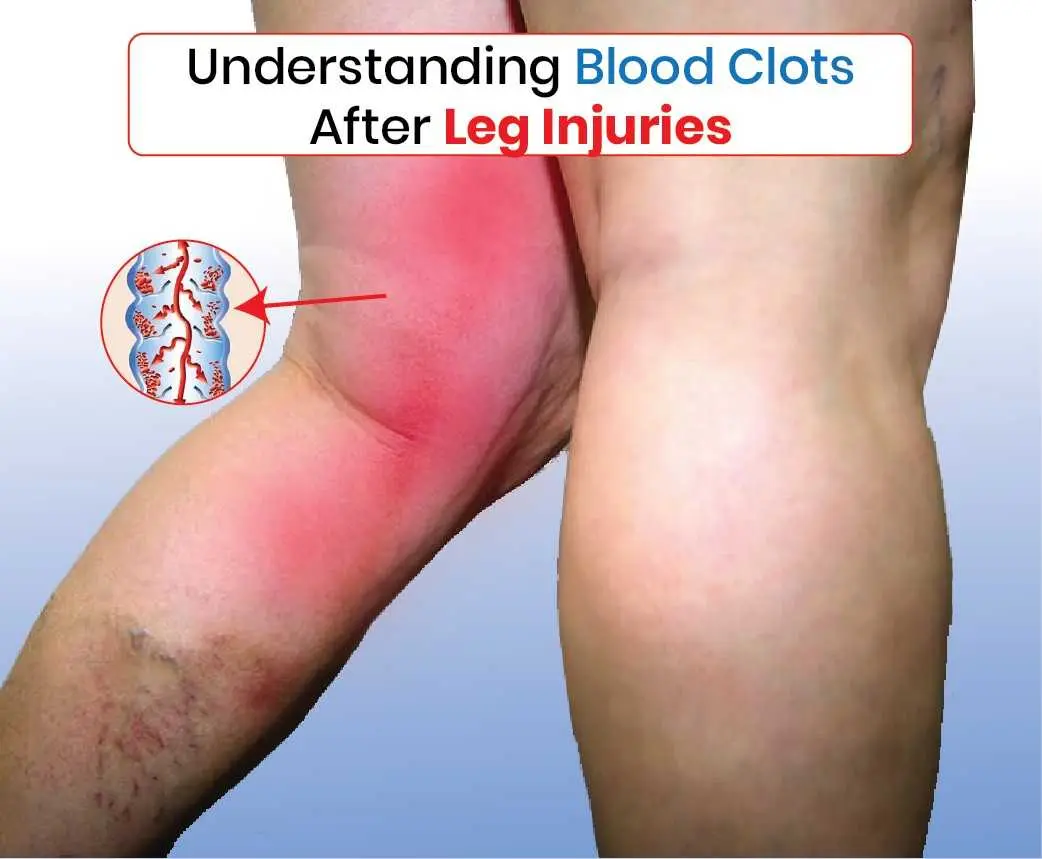
Injuries to the legs are not uncommon, whether from accidents, sports activities, or everyday
mishaps. While the immediate concern often revolves around treating the injury itself, there’s
another hidden danger that can arise: blood clots. Here we will discuss the connection between
leg injuries and blood clots, explore the potential complications, and describe effective
treatment strategies.
The Link Between Leg Injuries and Blood Clots:
When a leg sustains an injury, especially one that involves damage to blood vessels or prolonged
immobility, the risk of blood clot formation increases. The body’s natural response to injury is
to initiate clotting to stop bleeding and promote healing. However, if blood flow is impaired
due to the injury or if the individual remains immobile for an extended period, the conditions
become ripe for clot formation.
Get Your First Doppler Scan FREE — Worth ₹4,500!
Understanding Complications:
The most concerning complication of blood clots after leg injuries is deep vein thrombosis
(DVT). DVT occurs when a blood clot forms in one of the deep veins of the legs. This can lead to
symptoms such as pain, swelling, and warmth in the affected leg. However, the danger doesn’t end
there. If a clot breaks loose and travels through the bloodstream to the lungs, it can cause a
pulmonary embolism (PE), a life-threatening condition characterized by symptoms such as chest
pain, shortness of breath, and rapid heartbeat.
Additionally, individuals who have experienced DVT are at risk of developing post-thrombotic
syndrome (PTS). PTS can manifest as chronic pain, swelling, and discoloration in the affected
leg, along with skin changes such as ulcers and thickening. These complications can
significantly impact an individual’s quality of life and may require long-term management.
Confused about treatment options? Our experts will guide you step by step.
Effective Treatment Strategies:
Treatment for blood clots resulting from leg injuries focuses on preventing clot formation,
reducing the size of existing clots, and minimizing the risk of complications. Some common
approaches include:
Compression Therapy: Wearing compression stockings or bandages can help improve
blood flow in
the legs, reducing the risk of clot formation and alleviating symptoms such as swelling and
pain.
Mobility and Exercise: Encouraging movement and regular exercise can help
prevent blood from
pooling in the legs and reduce the risk of clot formation. Simple activities such as walking or
flexing and extending the feet while seated can be beneficial.
Elevating the Leg: Keeping the injured leg elevated above the level of the
heart can help reduce
swelling and improve blood flow, thus decreasing the risk of clot formation.
Thrombolytic Therapy: In severe cases where a clot is large or causing
significant symptoms,
thrombolytic therapy may be used to dissolve the clot more rapidly. This involves the
administration of medications that break down the clot.
Get Your First Doppler Scan FREE — Worth ₹4,500!
If you have experienced a leg injury and suspect you may have a blood clot, it is essential to
seek medical attention promptly for evaluation and treatment. At Avis
Vascular center we help
you take proactive measures and by following your doctor’s guidance, you can minimize the risk
of complications and promote optimal recovery. Call, and talk to our experts today.
Tags: blood cloths, blood cloths after injuries, blood cloths after leg injuries, leg injuries,
varicose diseases, varicose treatment, varicose veins, varicose veins treatment, vascular leg
ulcers, vein treatments, venous diseases, venous insufficiency
For any unanswered questions, reach out to our support team via
email. We’ll respond as soon as possible to assist you.
For Enquiry
✉
info@avisvascularcentre.com
☎
+91 80089 49900
How are blood clots treated after a leg injury?
−
Treatment usually focuses on preventing the clot from growing, stopping new clots from forming, and
reducing complications. This may include blood-thinning medications, compression therapy, movement
exercises, and leg elevation.
Do blood thinners dissolve existing clots?
+
Blood thinners do not directly dissolve clots. Instead, they prevent clots from getting bigger and
reduce the risk of new clots forming, allowing the body to gradually break down the clot on its own.
Why are compression stockings recommended after a leg injury?
+
Compression stockings improve blood flow in the legs, reduce swelling, and help prevent blood from
pooling, which lowers the risk of clot formation and relieves discomfort.
Is it safe to move or exercise if there is a risk of a blood clot?
+
Yes, gentle movement and light exercises like walking or foot flexing are often encouraged unless
advised otherwise by a doctor. Staying mobile helps maintain healthy circulation and reduces clot
risk.
When is clot-dissolving (thrombolytic) treatment needed?
+
Thrombolytic therapy is usually reserved for severe cases where the clot is large, causing intense
symptoms, or posing a serious risk. It is administered under close medical supervision.