Blog > Vascular Diseases > Understanding Fibroids & Empowering Women’s Health
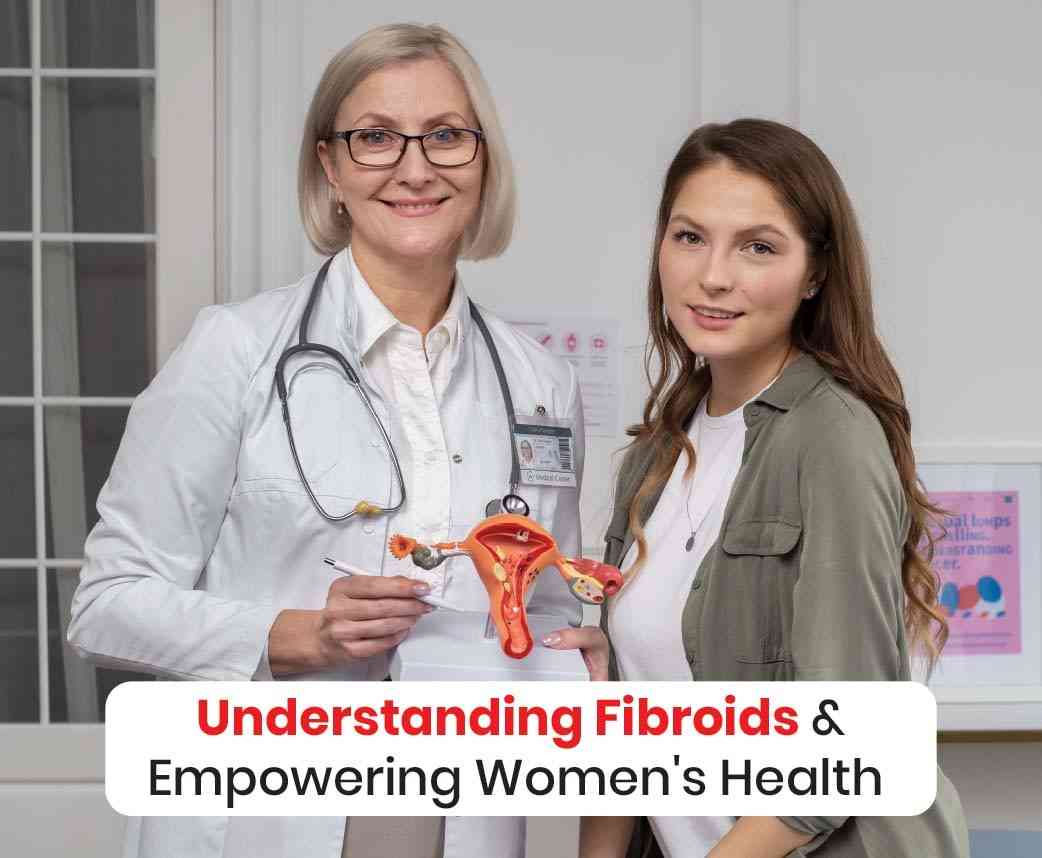
Understanding Fibroids & Empowering Women’s Health
18-October-2025Category: Vascular Diseases
Fibroids, which are non-cancerous growths in the uterus, affect millions of women worldwide,
especially those of childbearing age. While fibroids are common, the physical and emotional toll
they take on women’s lives is often underestimated. In this blog, we’ll explore the impact of
fibroids on women’s mental health, the misconceptions surrounding infertility, and how
endometrial ablation can offer hope and relief to those affected.
The Reality of Living with Fibroids:
Physical Symptoms: Fibroids can cause a myriad of symptoms, including heavy menstrual bleeding,
pelvic pain, bloating, and urinary frequency. These symptoms can be debilitating, interfering
with daily activities and disrupting quality of life.
Emotional Strain: The chronic pain and discomfort associated with fibroids can lead to
significant mental distress. Women may experience anxiety, depression, and feelings of isolation
as they struggle to cope with their symptoms.
Impact on Fertility: One of the most distressing aspects of fibroids for many women is the fear
of infertility. While fibroids can affect fertility, the extent of their impact varies depending
on factors such as size, location, and number of fibroids. The uncertainty surrounding fertility
can cause immense stress and anxiety for women of childbearing age.
Get Your First Doppler Scan FREE — Worth ₹4,500!
Misconceptions Surrounding Infertility:
Infertility remains a highly misunderstood issue in many societies, adding an additional layer
of emotional burden for women with fibroids. They may face societal pressure to conceive, as
well as judgment and misunderstanding from family, friends, and even healthcare providers. These
misconceptions can exacerbate feelings of inadequacy, guilt, and shame, further impacting mental
well-being.
Radiofrequency ablation (RFA) for fibroids is a minimally invasive procedure that utilizes
radiofrequency energy to target and shrink fibroid tissue in the uterus. This technique offers
an alternative to traditional surgical interventions such as hysterectomy or myomectomy for
women suffering from symptomatic fibroids
Confused about treatment options? Our experts will guide you step by step.
How Radiofrequency Ablation Works:
Preparation: Before the procedure, a thorough evaluation is conducted to assess the size,
location, and number of fibroids, as well as the patient’s overall health status. Imaging
studies such as ultrasound or MRI may be used to visualize the fibroids and plan the procedure.
Procedure: Radiofrequency ablation is typically performed as an outpatient procedure under local
anesthesia or sedation. During the procedure, a small incision is made in the abdomen or groin
area to access the fibroid(s). A thin needle-like device is then inserted into the fibroid
tissue under imaging guidance, such as ultrasound or MRI.
Application of Radiofrequency Energy: Once the needle is in position within the fibroid,
radiofrequency energy is delivered through the device. This energy heats and destroys the
fibroid tissue while minimizing damage to surrounding healthy tissue. Multiple fibroids can be
treated during the same procedure if necessary.
Monitoring and Recovery: Throughout the procedure, the patient’s vital signs and comfort level
are closely monitored. After the procedure, patients may experience mild discomfort, cramping,
or vaginal discharge, which typically resolves within a few days. Most women can resume normal
activities within a day or two following the procedure.
Get Your First Doppler Scan FREE — Worth ₹4,500!
Ablation is a great option for women who wish to retain their fertility but are not ready for
more invasive treatments such as hysterectomy. It is essential for women to discuss their
fertility goals with their healthcare provider to determine the most appropriate treatment
approach.
Fibroids are more than just a physical condition and they can have a profound impact on women’s
mental health, fertility, and overall well-being. RFA ablation offers a ray of hope for those
struggling with symptomatic fibroids, providing relief from debilitating symptoms and empowering
women to reclaim their lives.
Tags: empowering womens health, fibroids, fibroids and issues, fibroids causes, fibroids for
women, fibroids prevention, fibroids root causes, varicose treatment, varicose veins, varicose
veins treatment, vascular leg ulcers, vein treatments, venous diseases, women health, womens
health
For any unanswered questions, reach out to our support team via
email. We’ll respond as soon as possible to assist you.
For Enquiry
✉
info@avisvascularcentre.com
☎
+91 80089 49900
Can fibroids affect a woman’s mental health?
−
Yes. Chronic pain, heavy bleeding, and daily discomfort caused by fibroids can lead to anxiety,
depression, emotional exhaustion, and feelings of isolation. The ongoing nature of symptoms often
affects both emotional well-being and quality of life.
Why do fibroids cause emotional stress and anxiety?
+
Fibroids can interfere with work, relationships, sleep, and social life. Persistent symptoms
combined with uncertainty about fertility or treatment options often increase emotional stress and
mental fatigue.
Do fibroids always cause infertility?
+
No. Many women with fibroids conceive naturally and have healthy pregnancies. Fertility impact
depends on the fibroid’s size, location, and number. Not all fibroids interfere with fertility.
Why do women with fibroids fear infertility so much?
+
Social pressure, cultural expectations, and misinformation about fertility contribute to fear. The
lack of clear awareness that many fibroids are treatable without removing the uterus adds to
anxiety.
What is radiofrequency ablation (RFA) for fibroids?
+
Radiofrequency ablation is a minimally invasive procedure that uses controlled heat energy to shrink
fibroids while preserving the uterus. It targets fibroid tissue without major surgery.