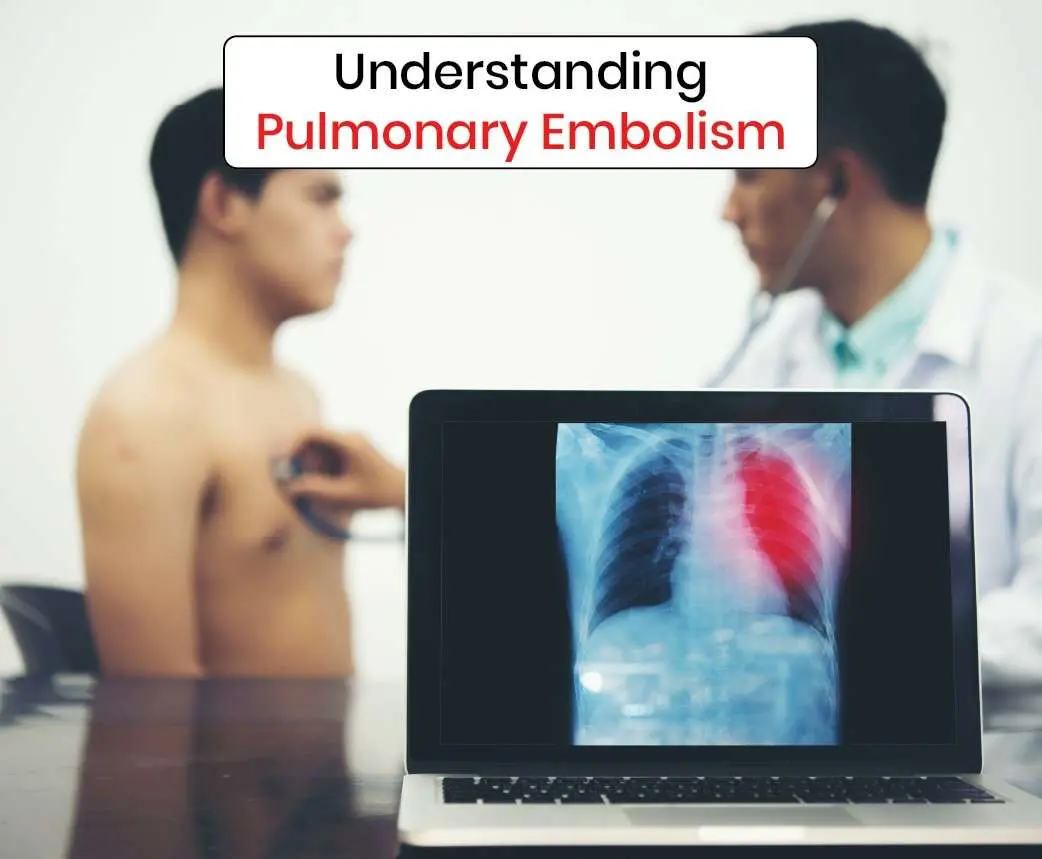
Pulmonary embolism (PE) is a potentially life-threatening condition characterized by the sudden
blockage of one or more arteries in the lungs. This blockage typically occurs when a blood clot,
usually originating from the deep veins of the legs (a condition known as deep vein thrombosis
or DVT), travels through the bloodstream and lodges in the pulmonary arteries. Understanding the
implications of pulmonary embolism on life expectancy and the factors influencing recovery is
crucial for patients and healthcare providers alike.
The Mechanism of Pulmonary Embolism:
Pulmonary embolism occurs when a blood clot, or a fragment of a clot, breaks loose from its site
of origin and travels through the veins to the lungs. Factors that increase the risk of blood
clot formation include prolonged immobility, surgery, trauma, obesity, pregnancy, and certain
medical conditions such as cancer and inherited clotting disorders. Once in the pulmonary
circulation, the clot can obstruct blood flow to the lungs, leading to potentially severe
consequences.
Get Your First Doppler Scan FREE — Worth ₹4,500!
Symptoms and Diagnosis:
The symptoms of pulmonary embolism can vary widely depending on the size and location of the
clot. Common signs and symptoms include sudden onset of chest pain, shortness of breath, rapid
heartbeat, coughing (sometimes with bloody sputum), and fainting. However, some individuals may
experience no symptoms at all, especially if the clot is small. Diagnosis typically involves a
combination of medical history, physical examination, imaging tests (such as CT pulmonary
angiography), and blood tests (such as D-dimer assay).
Life Expectancy After Pulmonary Embolism:
The prognosis and life expectancy following a pulmonary embolism depend on several factors,
including the size of the clot, the extent of lung involvement, the presence of underlying
medical conditions, and the timeliness and effectiveness of treatment. Prompt recognition and
appropriate management are crucial in improving outcomes and reducing the risk of complications.
Immediate Treatment and Management:
Immediate treatment for pulmonary embolism aims to stabilize the patient and prevent further
clot formation. This often involves the administration of anticoagulant medications (such as
heparin or low-molecular-weight heparin) to prevent the existing clot from growing and new clots
from forming. In some cases, thrombolytic therapy may be considered to dissolve the clot more
rapidly, particularly in patients with massive or life-threatening PE. Additional supportive
measures, such as supplemental oxygen and pain management, may also be necessary.
Confused about treatment options? Our experts will guide you step by step.
Long-Term Management and Recovery:
Central to the management of pulmonary embolism is the recognition of its close association with
deep vein thrombosis (DVT), emphasizing the paramount importance of vein treatment. Addressing
underlying venous insufficiencies and clots in the lower extremities significantly reduces the
risk of thrombus formation, thus preventing potential embolic events like PE.
By implementing strategies to improve venous circulation and prevent clot formation through
interventions such as compression therapy, anticoagulation, and minimally invasive procedures
like Sclerotherapy, and ablation techniques, healthcare providers can effectively disrupt the
vicious cycle of clot formation.
Moreover, early detection and treatment of venous insufficiency not only mitigate the risk of PE
but also alleviate symptoms, enhance quality of life, and contribute to long-term vascular
health. Therefore, prioritizing vein treatment plays a pivotal role not only in managing acute
pulmonary embolism but also in preventing its recurrence and optimizing patient outcomes.
For any unanswered questions, reach out to our support team via
email. We’ll respond as soon as possible to assist you.
For Enquiry
✉
info@avisvascularcentre.com
☎
+91 80089 49900
Is pulmonary embolism life-threatening?
−
Yes, pulmonary embolism can be life-threatening, especially if the clot is large or treatment is
delayed. However, with early diagnosis and appropriate treatment, many patients recover well and go
on to live a normal life.
What affects life expectancy after a pulmonary embolism?
+
Life expectancy after PE depends on several factors, including the size of the clot, how much of the
lung is affected, existing health conditions (such as heart or lung disease), and how quickly
treatment is started. Prompt medical care significantly improves outcomes.
Can someone fully recover after a pulmonary embolism?
+
Many people recover fully, especially when PE is detected early and treated properly. Some patients
may experience lingering symptoms like shortness of breath or fatigue, but long-term complications
are less common with correct follow-up and care.
Why is treating leg veins important after a pulmonary embolism?
+
Most pulmonary embolisms originate from clots in the leg veins (deep vein thrombosis). Treating
underlying vein problems helps prevent new clots from forming, reducing the risk of PE recurrence
and improving long-term vascular health.
How can future pulmonary embolisms be prevented?
+
Prevention includes anticoagulant therapy, compression stockings, staying physically active, and
treating underlying vein conditions. In some cases, minimally invasive vein procedures such as
sclerotherapy or vein ablation may be recommended to reduce clot risk.