Blog > Vascular Diseases > Understanding the warning signs of Deep Vein Thrombosis
Understanding the warning signs of Deep Vein Thrombosis
18-October-2025
Category: Preventions and Tips
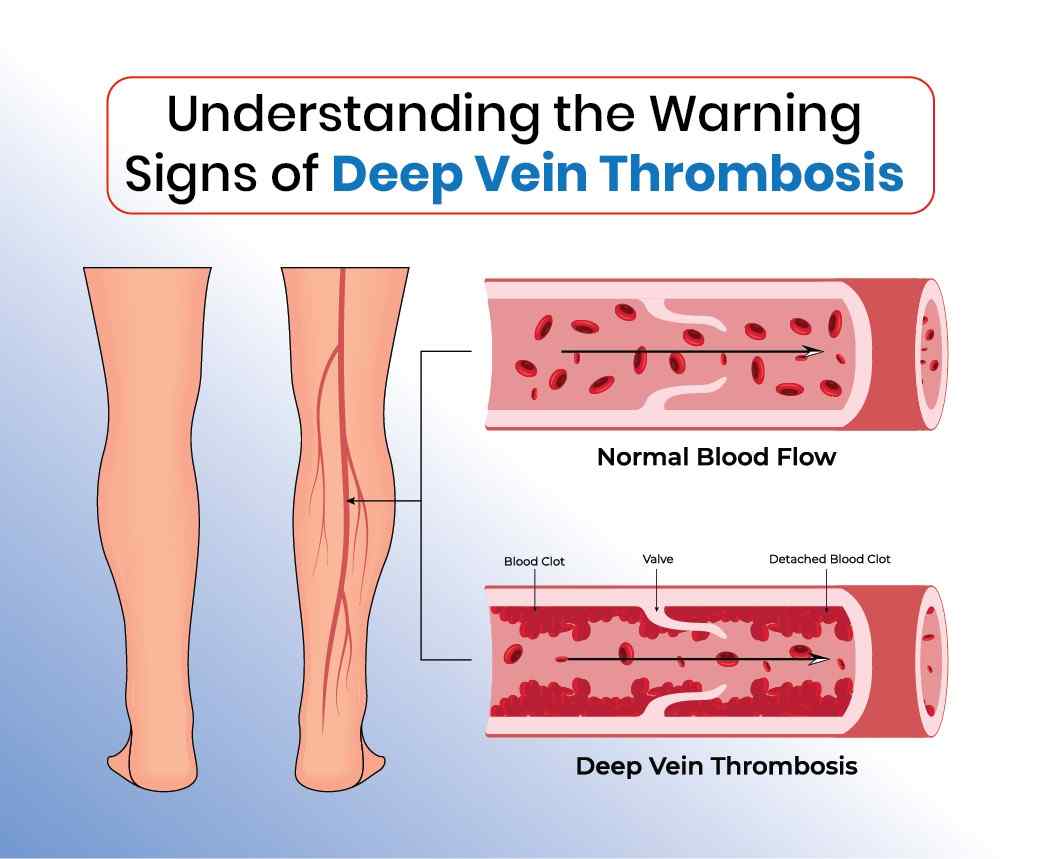
Deep vein thrombosis (DVT) is a serious medical condition that occurs when a blood clot forms in
a deep vein, typically in the legs. If left untreated, DVT can lead to life-threatening
complications, such as pulmonary embolism (PE), where the clot travels to the lungs. Recognizing
the warning signs of DVT is crucial for early intervention and effective treatment. Here, we
delve into the symptoms, risk factors, and preventive measures associated with this condition.
Key Warning Signs of Deep Vein Thrombosis
1.Swelling
One of the most common and noticeable symptoms of DVT is swelling in the affected leg. The
swelling often occurs in the calf but can also extend to the entire leg. This swelling is
usually accompanied by a feeling of heaviness or tightness in the leg. Unlike general leg
swelling caused by other conditions, DVT-related swelling is usually localized to one
leg.
2. Pain or Tenderness
Pain in the affected leg is another hallmark sign of DVT. The pain often starts in the calf and
may feel like cramping or soreness. This pain can be persistent and may worsen when walking or
standing for long periods. Tenderness in the area of the clot is also common and can make the
leg sensitive to touch.
3. Red or Discoloured Skin
The skin over the affected area may become red or discolored. This change in color is due to
reduced blood flow caused by the clot. The skin may also feel warm to the touch compared to the
surrounding areas. In some cases, the discoloration can be more subtle, presenting as a slight
reddish or bluish tinge.
4. Warmth
A noticeable increase in warmth in the affected leg is another warning sign of DVT. This warmth
is often felt in the area where the clot is located and can be accompanied by swelling and pain.
The increased warmth is due to the body’s inflammatory response to the clot.
5. Vein Enlargement
In some cases, the veins near the surface of the leg may become more visible or enlarged. This
enlargement occurs because the blood is being rerouted around the clot, causing increased
pressure in the superficial veins. These veins may appear as raised, blue, or purple lines on
the skin.
Risk Factors for Deep Vein Thrombosis
Understanding the risk factors for DVT can help individuals take preventive measures. Some
common risk factors include:
Immobility: Long periods of sitting or lying down, such as during long flights
or bed
rest, can increase the risk of DVT.
Surgery or Injury: Major surgery, especially on the legs, or a
significant injury can damage
blood vessels and increase the likelihood of clot formation.
Medical Conditions: Certain medical conditions, such as cancer, heart disease,
and inflammatory
bowel disease, can elevate the risk of DVT.
Pregnancy: Pregnancy increases the pressure in the veins of the legs and
pelvis, which can lead
to DVT. The risk remains elevated for up to six weeks after childbirth.
Hormone Therapy: Birth control pills and hormone replacement therapy
can increase the risk of
blood clots due to elevated estrogen levels.
Genetics: A family history of DVT or genetic clotting disorders can predispose
individuals to
developing blood clots.
Age: The risk of DVT increases with age, particularly after the age of 60.
Obesity: Excess weight increases pressure on the veins in the legs and pelvis, increasing the
risk of DVT.
Smoking: Smoking affects blood clotting and circulation, contributing to the
risk of DVT.
Preventive Measures
Preventing DVT involves addressing modifiable risk factors and adopting healthy lifestyle
habits:
Stay Active: Regular physical activity, such as walking or exercising, promotes
healthy blood
flow and reduces the risk of clots.
Move Regularly: During long periods of immobility, such as on flights or long
drives, take
breaks to stand up, stretch, and move around.
Wear Compression Stockings: These stockings can help improve blood flow in the
legs and prevent
clot formation.
Maintain a Healthy Weight: Achieving and maintaining a healthy weight reduces
the pressure on
your veins and lowers your risk of DVT.
Stay Hydrated: Drinking plenty of water helps maintain good blood flow and
reduces the risk of
clotting.
Avoid Smoking: Quitting smoking significantly reduces the risk of developing
DVT and other
vascular diseases.
When to Seek Medical Attention
If you experience any of the warning signs of DVT, especially if you have risk factors for the
condition, seek medical attention promptly. Early diagnosis and treatment are crucial to prevent
complications such as pulmonary embolism. Healthcare providers may use ultrasound imaging or
blood tests to diagnose DVT and recommend appropriate treatments, which may include
anticoagulant medications, lifestyle changes, or in some cases, surgical intervention.
