Blog > Vascular Diseases > Veins- The Unsung Heroes
Veins- The Unsung Heroes
18-October-2025Category: Vascular Diseases
Veins, often overshadowed by their more glamorous counterpart, the arteries, play a crucial role
in maintaining the health and functionality of the human body. While arteries are recognized for
their role in delivering oxygen-rich blood to tissues, veins quietly carry deoxygenated blood
back to the heart. In this comprehensive exploration, we delve into the intricate anatomy of
veins and shed light on the complications that can arise from disorders affecting these vital
vessels.
Anatomy of Veins:
Veins are blood vessels that carry deoxygenated blood from various parts of the body back to the
heart. Unlike arteries, which have thick, elastic walls to withstand high pressure from the
heart’s pumping action, veins have thinner walls and rely on surrounding muscles and valves to
propel blood toward the heart.
Veins are classified into different types based on their size, location, and function.
Superficial veins lie close to the body’s surface and are often visible beneath the skin, while
deep veins are located within muscle tissue and accompany major arteries. Additionally, there
are communicating veins that connect superficial and deep veins, ensuring alternate pathways for
blood flow.
Get Your First Doppler Scan FREE — Worth ₹4,500!
Complications Caused by Vein Disorders:
Disorders affecting veins can lead to various complications, ranging from discomfort to
life-threatening conditions. Some of the common vein disorders and their associated
complications include:
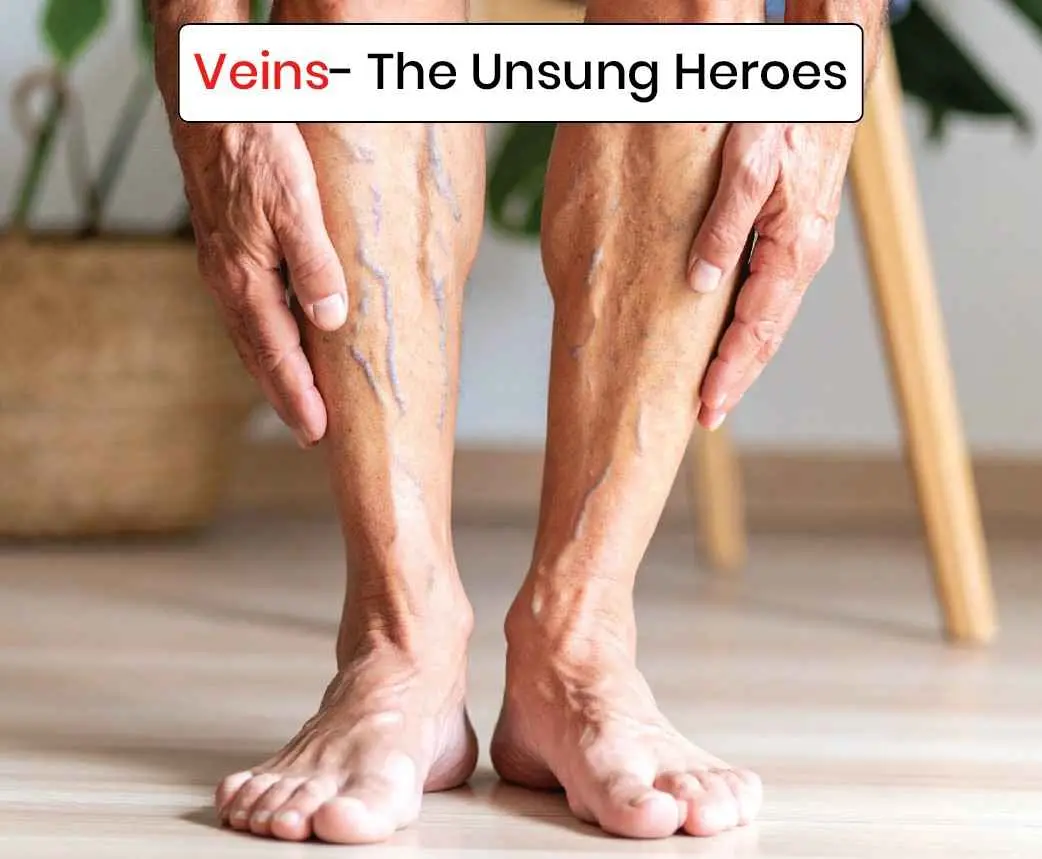
Varicose Veins: Varicose veins occur when the valves in veins become weak or damaged, causing
blood to pool and veins to enlarge and bulge. While often considered a cosmetic concern,
varicose veins can cause symptoms such as pain, swelling, and skin changes. In severe cases,
they may lead to venous ulcers, where persistent high pressure within the veins damages
surrounding tissues, resulting in non-healing wounds.
Deep Vein Thrombosis (DVT): DVT occurs when a blood clot forms in one of the deep veins, usually
in the legs. If the clot dislodges and travels to the lungs, it can cause a pulmonary embolism,
a life-threatening condition. Risk factors for DVT include prolonged immobility, surgery,
pregnancy, obesity, and certain medical conditions.
Confused about treatment options? Our experts will guide you step by step.
Chronic Venous Insufficiency (CVI): CVI results from prolonged venous hypertension due to valve
dysfunction or obstruction in the veins. Symptoms include leg swelling, pain, heaviness, and
skin changes such as discoloration and ulcers. Untreated CVI can significantly impair quality of
life and may lead to serious complications like venous stasis dermatitis and
lipodermatosclerosis.
Spider Veins: Spider veins are small, dilated blood vessels near the surface of the skin, often
appearing as red or blue lines or clusters. While usually harmless, they can cause discomfort or
self-consciousness in some individuals.
Get Your First Doppler Scan FREE — Worth ₹4,500!
Thus, to conclude, veins play a vital role in maintaining circulatory health and ensuring
efficient blood flow throughout the body. Understanding the anatomy of veins and the
complications that can arise from vein disorders is essential for early detection, prevention,
and management of these conditions. By recognizing the importance of veins and prioritizing
their care, we can promote overall health and well-being for individuals of all ages.
Tags: best hospital for varicose veins, Best Treatment for varicose veins, varicose diseases,
varicose treatment, varicose veins, Varicose veins explained, varicose veins treatment, vascular
leg ulcers, vein treatments, venous diseases, venous insufficiency
For any unanswered questions, reach out to our support team via
email. We’ll respond as soon as possible to assist you.
For Enquiry
✉
info@avisvascularcentre.com
☎
+91 80089 49900
What is the main function of veins in the human body?
−
Veins carry deoxygenated blood from different parts of the body back to the heart. They rely on
one-way valves and surrounding muscle movement to push blood upward against gravity, especially from
the legs.
What is the difference between superficial veins and deep veins?
+
Superficial veins are located close to the skin’s surface and are often visible, while deep veins
lie within muscle tissue and carry most of the blood back to the heart. Communicating veins connect
these two systems and help maintain proper blood flow.
Are vein problems only cosmetic, or can they be dangerous?
+
Vein problems are not always cosmetic. Conditions like varicose veins, chronic venous insufficiency,
and deep vein thrombosis can cause pain, swelling, skin damage, ulcers, and in serious cases,
life-threatening complications such as pulmonary embolism.
What causes veins to stop functioning properly?
+
Vein disorders usually develop when vein valves become weak or damaged. This can be due to aging,
prolonged standing or sitting, obesity, pregnancy, lack of physical activity, or a family history of
vein disease.
When should someone seek medical attention for vein-related symptoms?
+
You should consult a specialist if you experience persistent leg pain, swelling, heaviness, skin
discoloration, visible vein changes, or wounds that are slow to heal. Early diagnosis helps prevent
complications and long-term damage.