Blog > Vascular Diseases > Venous Diseases and Tingling Legs
Venous Diseases and Tingling Legs
18-October-2025Category: Vascular Diseases
Venous diseases encompass a range of conditions affecting the veins, the blood vessels
responsible for returning deoxygenated blood to the heart. These conditions can have various
manifestations, one of which is tingling legs. In this research-based medical blog, we will
delve into the connection between venous diseases and tingling legs, exploring the underlying
mechanisms, common venous disorders associated with this symptom, and potential treatment
approaches.
Understanding Venous Diseases:
Venous diseases encompass a spectrum of conditions, including deep vein thrombosis (DVT),
chronic venous insufficiency (CVI), varicose veins, and venous ulcers. These conditions can
arise due to factors such as age, genetics, obesity, prolonged sitting or standing, pregnancy,
and a sedentary lifestyle.
Get Your First Doppler Scan FREE — Worth ₹4,500!
Tingling Legs and Venous Diseases:
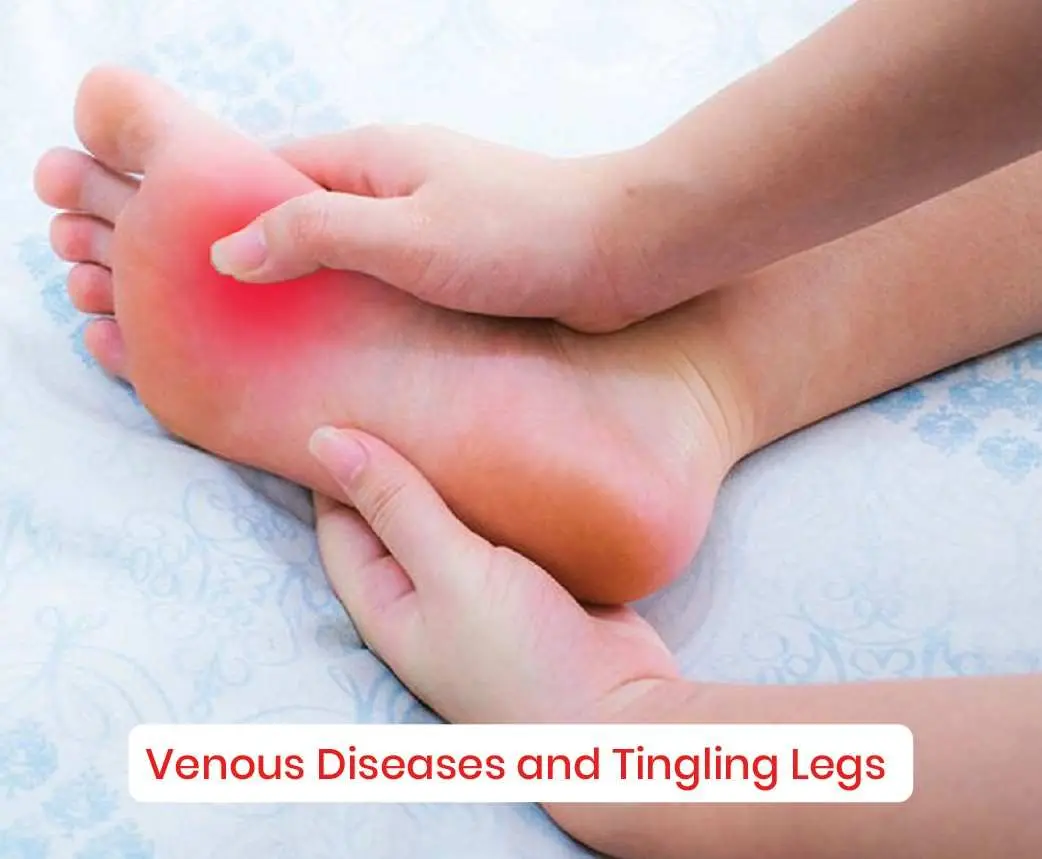
Tingling sensations in the legs can be indicative of compromised blood flow or nerve
dysfunction, both of which are common features of venous diseases. When venous blood flow is
impaired, it can lead to increased pressure in the veins, resulting in venous congestion and
reduced oxygenation of tissues. This can irritate nerves in the legs, leading to sensations of
tingling or numbness.
Common Venous Disorders Associated with Tingling Legs:
Deep Vein Thrombosis (DVT): DVT is a condition characterized by the formation of blood clots in
the deep veins, typically in the legs. These blood clots can impede blood flow, causing
swelling, pain, and tingling sensations in the affected leg.
Chronic Venous Insufficiency (CVI): CVI occurs when the valves in the veins of the legs fail to
function properly, leading to backward flow (reflux) of blood and pooling in the lower limbs.
This can result in symptoms such as leg swelling, skin changes, and tingling or restless legs
syndrome.
Varicose Veins: Varicose veins are enlarged, twisted veins that often develop in the legs due to
weakened vein walls and valves. They can cause discomfort, heaviness, and tingling sensations,
especially after prolonged standing or sitting.
Peripheral Neuropathy: While tingling legs are commonly associated with venous diseases, they
can also be a symptom of peripheral neuropathy, a condition characterized by nerve damage in the
peripheral nervous system. Diabetes, vitamin deficiencies, and certain medications can
contribute to peripheral neuropathy, leading to tingling sensations in the legs.
Treatment Approaches:
The treatment of tingling legs associated with venous diseases focuses on addressing the
underlying cause and relieving symptoms. Treatment options may include:
Compression Therapy: Compression stockings or bandages can help improve blood flow and reduce
symptoms of venous insufficiency, including tingling legs.
Medications: Blood thinners (anticoagulants) may be prescribed to prevent or treat blood clots
in conditions such as DVT.
Confused about treatment options? Our experts will guide you step by step.
Prevention and Management
Lifestyle Modifications: Adopting a healthy lifestyle, including regular exercise, maintaining a
healthy weight, and elevating the legs when resting, can help alleviate symptoms of venous
diseases
and reduce the risk of complication
Understanding the underlying mechanisms and common venous disorders associated with this symptom
is essential for accurate diagnosis and effective management. If you experience persistent
tingling sensations in your legs, it is important to consult a healthcare professional for
evaluation and appropriate treatment. Early intervention can help prevent complications and
improve quality of life for individuals with venous diseases.
Get Your First Doppler Scan FREE — Worth ₹4,500!
Tags: Deep Vein Thrombosis, tingling legs, varicose diseases, varicose treatment, varicose
veins, varicose veins treatment, vascular leg ulcers, vein treatments, venous diseases, venous
diseases and tingling legs, venous insufficiency
For any unanswered questions, reach out to our support team via
email. We’ll respond as soon as possible to assist you.
For Enquiry
✉
info@avisvascularcentre.com
☎
+91 80089 49900
What is the main function of veins in the human body?
−
Veins carry deoxygenated blood from different parts of the body back to the heart. They rely on
one-way valves and surrounding muscle movement to push blood upward against gravity, especially from
the legs.
What is the difference between superficial veins and deep veins?
+
Superficial veins are located close to the skin’s surface and are often visible, while deep veins
lie within muscle tissue and carry most of the blood back to the heart. Communicating veins connect
these two systems and help maintain proper blood flow.
Are vein problems only cosmetic, or can they be dangerous?
+
Vein problems are not always cosmetic. Conditions like varicose veins, chronic venous insufficiency,
and deep vein thrombosis can cause pain, swelling, skin damage, ulcers, and in serious cases,
life-threatening complications such as pulmonary embolism.
What causes veins to stop functioning properly?
+
Vein disorders usually develop when vein valves become weak or damaged. This can be due to aging,
prolonged standing or sitting, obesity, pregnancy, lack of physical activity, or a family history of
vein disease.
When should someone seek medical attention for vein-related symptoms?
+
You should consult a specialist if you experience persistent leg pain, swelling, heaviness, skin
discoloration, visible vein changes, or wounds that are slow to heal. Early diagnosis helps prevent
complications and long-term damage.