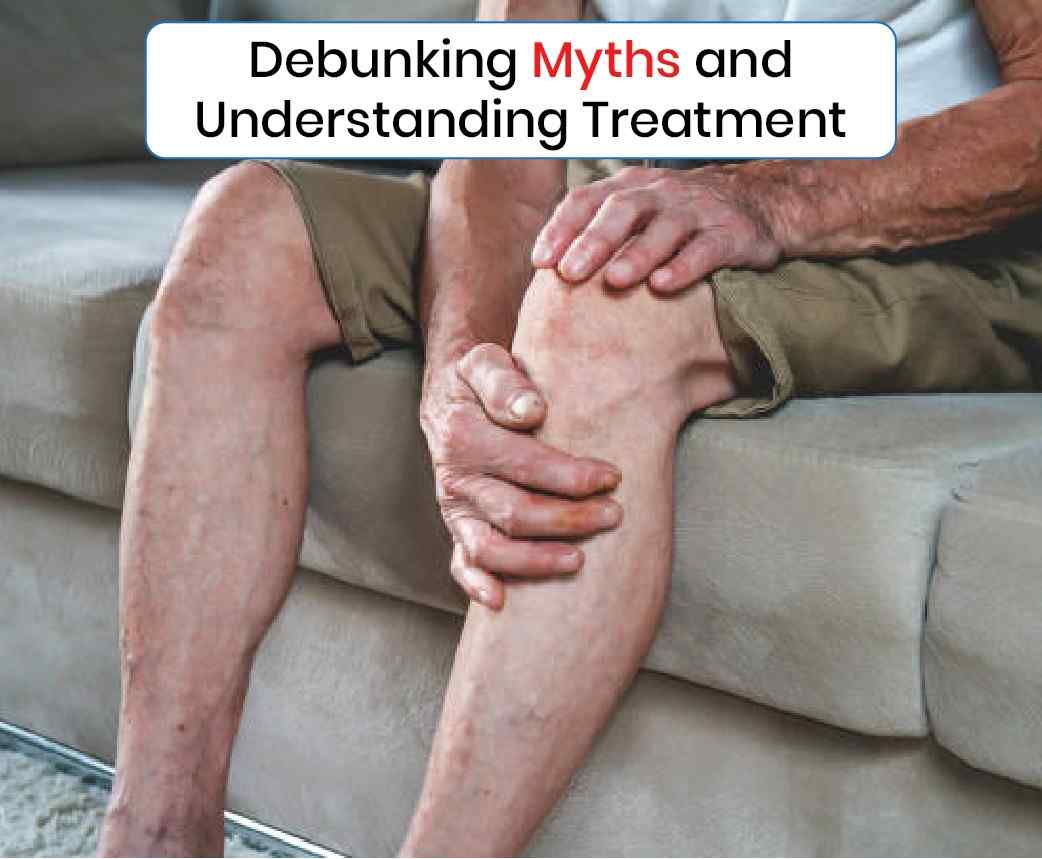
Blog > Debunking Myths and Understanding Treatment
Debunking Myths and Understanding Treatment
18-October-2025Category: Vascular Diseases
Vein care is often overlooked, yet it plays a vital role in maintaining overall health and
well-being. Misconceptions about varicose veins abound, leading to confusion and missed
opportunities for treatment. In this comprehensive guide, we’ll debunk common myths surrounding
varicose veins and explore effective treatment options for optimal vein health.
Myth 1: Only Older People Get Varicose Veins
Fact: While varicose veins are more common in older adults, they can develop at any age. Factors
such as genetics, pregnancy, obesity, and prolonged standing or sitting can increase the risk of
varicose veins, regardless of age. Younger individuals may also experience varicose veins due to
hormonal changes during puberty, pregnancy, or menopause.
Myth 2: Varicose Veins Are Purely Cosmetic
Fact: While varicose veins are often considered a cosmetic concern, they can also cause
uncomfortable symptoms and lead to serious complications if left untreated. Common symptoms
include pain, swelling, heaviness, and fatigue in the legs. Without proper treatment, varicose
veins can progress to conditions such as venous ulcers, blood clots, or skin changes.
Get Your First Doppler Scan FREE — Worth ₹4,500!
Myth 3: Crossing Your Legs Causes Varicose Veins
Fact: While crossing your legs occasionally is unlikely to cause varicose veins, prolonged
sitting or standing in one position can contribute to vein issues. Lifestyle factors such as
prolonged sitting or standing can increase the risk of varicose veins. Maintaining good posture,
avoiding prolonged sitting or standing, and staying physically active can help promote healthy
circulation and reduce the risk of varicose veins.
Confused about treatment options? Our experts will guide you step by step.
Myth 4: Varicose Veins Will Always Come Back After Treatment
Fact: While new varicose veins can develop over time, proper treatment can effectively address
existing varicose veins and reduce the likelihood of recurrence. Minimally invasive treatments
such as sclerotherapy, or radiofrequency ablation (RFA) and the
most recent treatment option, CLaCS, can close off abnormal veins and redirect blood flow to
healthier veins. Additionally, lifestyle modifications such as regular exercise, wearing
compression stockings, and maintaining a healthy weight can help support vein health and
minimize the risk of varicose vein recurrence.
Hence to conclude, understanding the facts versus the myths about varicose veins is essential
for making informed decisions about prevention and treatment. Proactive vein care, including
lifestyle modifications and appropriate treatment, can help prevent venous diseases, improve
circulation, and enhance quality of life. Don’t let misconceptions about varicose veins hold you
back from seeking the care you need. Consult with a healthcare professional for personalized
evaluation and treatment recommendations, and take proactive steps to care for your veins today.
Your circulatory system will thank you for it!
Get Your First Doppler Scan FREE — Worth ₹4,500!
Tags: facts about varicose veins, myths of varicose veins, varicose veins, varicose veins
treatment, vein treatments, venous diseases, venous insufficiency
For any unanswered questions, reach out to our support team via
email. We’ll respond as soon as possible to assist you.
For Enquiry
✉
info@avisvascularcentre.com
☎
+91 80089 49900
Can young people really get varicose veins?
−
Yes. Varicose veins can develop at any age. Genetics, hormonal changes, pregnancy, obesity, and jobs
that involve prolonged standing or sitting can cause varicose veins even in younger individuals.
Are varicose veins only a cosmetic problem?
+
No. While they may appear cosmetic initially, varicose veins can cause symptoms like pain, swelling,
heaviness, and leg fatigue. If left untreated, they may lead to complications such as skin changes,
venous ulcers, or blood clots.
Does sitting with crossed legs cause varicose veins?
+
Crossing your legs occasionally does not cause varicose veins. However, prolonged sitting or
standing without movement can worsen circulation and contribute to vein problems. Regular movement
and posture changes are more important for vein health.
Do varicose veins always return after treatment?
+
Not necessarily. Modern minimally invasive treatments such as sclerotherapy, laser therapy,
radiofrequency ablation, and CLaCS effectively treat existing varicose veins. While new veins may
develop over time due to genetics or lifestyle factors, proper treatment and preventive care
significantly reduce recurrence.
What can I do to prevent varicose veins from worsening?
+
Maintaining a healthy weight, staying physically active, avoiding prolonged sitting or standing,
wearing compression stockings when advised, and seeking early medical evaluation can help prevent
varicose veins from progressing and reduce symptoms.