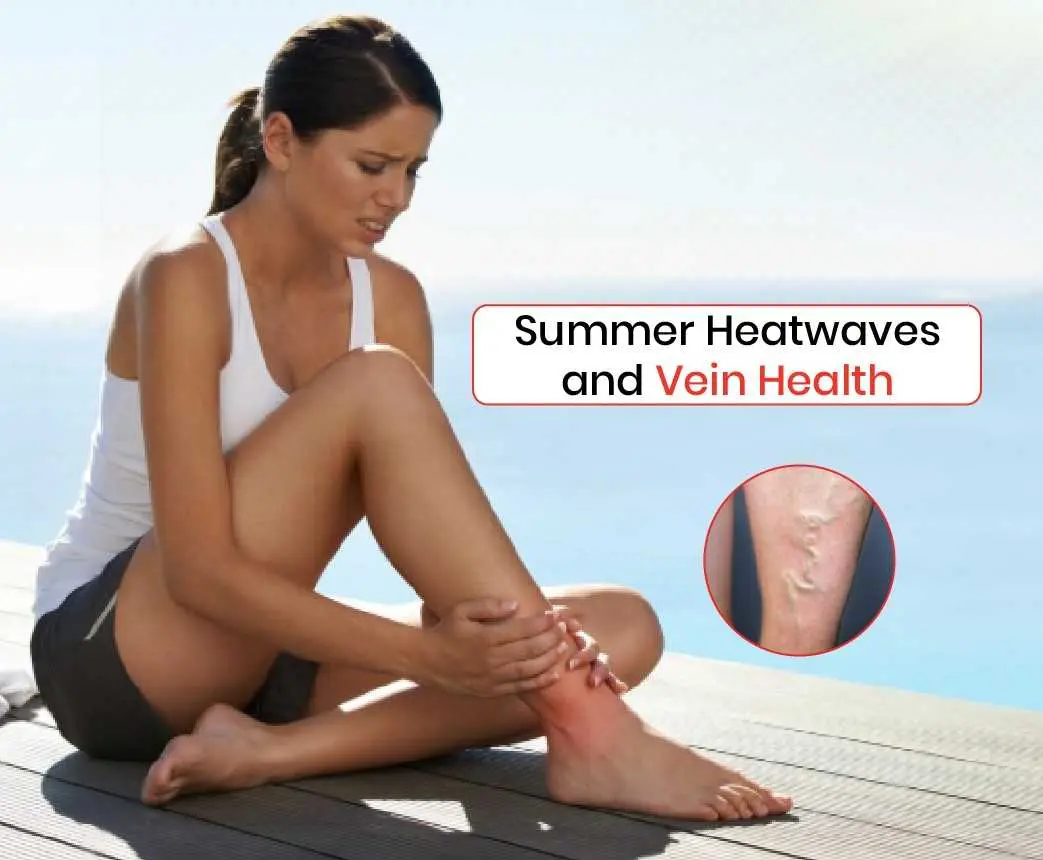
As the temperatures rise during the scorching summer months, it’s not just your skin that feels
the heat – your veins do too. Heatwaves can exacerbate existing vein issues and even contribute
to the development of new ones. Understanding how summer affects your veins and taking proactive
steps to care for them can help keep your circulation in top shape. Here’s what you need to
know:
How Summer Affects Your Veins:
Dilation of Veins:Heat causes your blood vessels, including veins, to dilate. This dilation can
lead to increased pressure on the vein walls, making them more susceptible to damage and
dysfunction.
Swelling: High temperatures can cause swelling in your legs and feet, a condition known as
edema. This swelling puts added pressure on your veins, potentially worsening conditions like
varicose veins or causing discomfort for those with healthy veins.
Dehydration: Sweating and increased water loss during hot weather can lead to dehydration, which
thickens the blood and makes it harder for it to flow through your veins smoothly. Dehydration
also contributes to the formation of blood clots, a serious vein health concern.
Get Your First Doppler Scan FREE — Worth ₹4,500!
How to Take Care of Your Veins During Summer:
Stay Hydrated: Drink plenty of water throughout the day, especially if you’re spending time
outdoors or engaging in physical activity. Adequate hydration helps maintain blood volume and
prevents blood from becoming too thick.
Elevate Your Legs: If you’re experiencing swelling or discomfort in your legs, elevate them
whenever possible to encourage blood flow back to the heart. Prop your legs up on a pillow while
resting or lying down to reduce swelling and relieve pressure on your veins.
Wear Compression Garments: Consider wearing compression socks or stockings, especially if you’ll
be on your feet for extended periods. Compression garments help support vein function by
promoting circulation and reducing swelling.
Stay Cool: Avoid prolonged exposure to extreme heat by seeking shade, staying indoors during the
hottest parts of the day, and using fans or air conditioning to stay cool. Keeping your body
temperature regulated can help prevent excessive dilation of your veins.
Confused about treatment options? Our experts will guide you step by step.
What to Avoid:
Sitting or Standing for Long Periods: Avoid sitting or standing in the same position for too
long, as this can impede blood flow and contribute to vein problems. Take breaks to stretch your
legs and move around periodically, especially if you have a desk job or spend long hours on your
feet.
Excessive Sun Exposure: While some sunlight is beneficial for vitamin D production, too much
exposure to harmful UV rays can damage your skin and increase the risk of skin cancer. Protect
your skin with sunscreen, hats, and protective clothing when spending time outdoors.
Overindulging in Salt: High-sodium foods can contribute to fluid retention and exacerbate
swelling in the legs and feet. Limit your intake of salty snacks and processed foods, and opt
for fresh, whole foods that are lower in sodium.
Get Your First Doppler Scan FREE — Worth ₹4,500!
Maintaining vein health during summer requires a combination of hydration, elevation,
compression, and staying cool. By taking proactive steps to care for your veins and avoiding
common pitfalls, you can enjoy the summer months while keeping your circulation in top
condition. If you experience persistent vein problems or discomfort, consult with a healthcare
professional for personalized advice and treatment options. Stay cool and keep those veins
happy!
For any unanswered questions, reach out to our support team via
email. We’ll respond as soon as possible to assist you.
For Enquiry
✉
info@avisvascularcentre.com
☎
+91 80089 49900
Can hot weather really make vein problems worse?
−
Yes. High temperatures cause veins to dilate, which increases pressure inside them. This can worsen
existing vein conditions like varicose veins and lead to swelling, heaviness, or discomfort in the
legs.
Why do my legs swell more during summer?
+
Heat causes blood vessels to expand and fluid to leak into surrounding tissues, leading to leg and
foot swelling (edema). This is more common in people with vein issues but can happen even in healthy
individuals during extreme heat.
Does dehydration affect vein health?
+
Yes. Dehydration thickens the blood, making it harder to circulate smoothly through veins. This can
increase discomfort, slow circulation, and raise the risk of blood clot formation, especially in hot
weather.
Are compression stockings useful during summer?
+
Absolutely. Compression stockings help support vein function, reduce swelling, and improve blood
flow. Lightweight, breathable compression wear is available and can be especially helpful if you
stand or sit for long hours.
What simple habits can protect my veins in summer?
+
Staying well-hydrated, avoiding prolonged sitting or standing, elevating your legs when resting,
limiting salty foods, and keeping cool during peak heat hours can significantly reduce strain on
your veins.