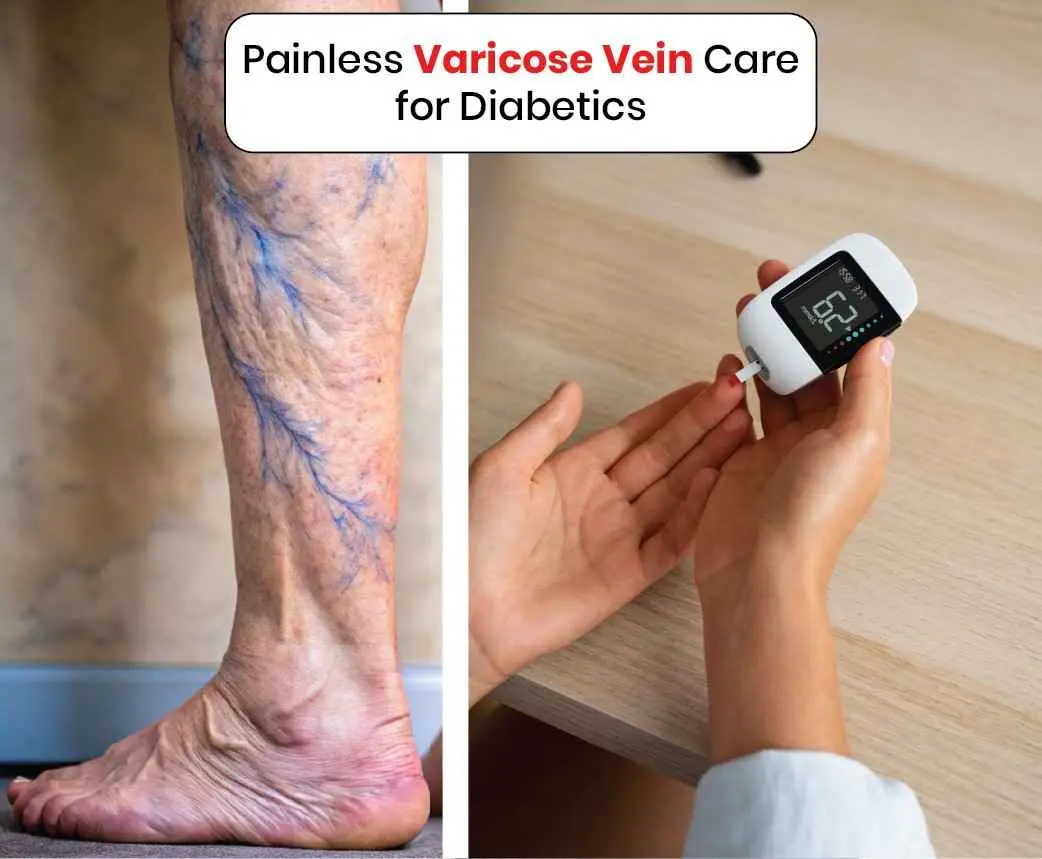
Blog > Prevention and Tips > Painless Varicose Vein Care for Diabetics
Diabetes can lead to complications through sustained high blood sugar levels, which damage blood
vessels and nerves. This damage affects circulation, leading to cardiovascular diseases, kidney
issues, vision problems, and neuropathy. You probably are aware that poor blood circulation and
nerve damage in the feet increase the risk of foot ulcers and infections, potentially requiring
amputation. Diabetes also compromises the immune system, making infections harder to
fight.
In addition, Diabetes significantly impacts vascular health, leading to complications such as
varicose veins, spider veins, and chronic venous
insufficiency. These conditions are aggravated
by diabetes-induced circulatory issues, causing blood flow impairment and weakening vein
walls.
Living with diabetes presents unique challenges, especially when compounded by conditions like
varicose veins. Avis Vascular Center is at the forefront of
providing specialized, minimally
invasive treatment options for those facing this dual health concern, ensuring a holistic
approach to care and recovery.
Innovative Treatment Options at Avis Vascular Center
For individuals with diabetes, varicose veins are not just a cosmetic issue but a significant
health risk. Avis Vascular Center harnesses cutting-edge techniques such as Sclerotherapy and
to address this problem effectively. These methods, designed
for minimal discomfort and quick recovery, offer a beacon of hope for those seeking relief
without the downtime of traditional surgery.
The Advantages of a Minimally Invasive Approach
Addressing these vein complications, medical advancements like Sclerotherapy and offer effective solutions. Sclerotherapy, suited for smaller
veins,
involves a solution injected to collapse affected veins. EVLA, targeting larger varicose veins,
uses laser energy to seal them off. These treatments not only alleviate symptoms but also
enhance circulatory health, highlighting the importance of targeted interventions in managing
diabetes-related vein issues.
Our center’s approach significantly reduces recovery time, minimizes discomfort, and preserves
the integrity of healthy veins, promoting better circulation. This focus on minimally invasive
procedures not only enhances patients’ physical well-being but also their overall life quality,
addressing both aesthetic concerns and health risks associated with varicose veins and
diabetes.
Tailored Care for Diabetic Patients
Understanding the intricate relationship between diabetes and varicose veins, Avis Vascular
Center offers personalized treatment plans. These plans are developed in close collaboration
with patients’ existing healthcare teams to ensure a comprehensive care approach that integrates
seamlessly into their diabetes management regimen.
A cornerstone of our center’s philosophy is empowering patients with knowledge. By providing
detailed consultations and clear explanations of treatment options, the center ensures patients
are well-informed and confident in their healthcare decisions. This patient-centered approach
underlines the commitment to not just treat but also educate and support patients in managing
their health effectively.
A Call to Action
Avis Vascular Center is dedicated to improving the lives of those with diabetes and varicose
veins through advanced, minimally invasive treatments. By offering personalized care and
state-of-the-art procedures, the center is helping patients reclaim their health and well-being,
proving that managing these conditions effectively is within reach.